
This post contains affiliate links. We may earn a small commission when you buy through our links — at no extra cost to you.
Many mattress listings mention fiberglass-free construction, but knowing what to look for once the foam layers are hidden inside a cover is another matter. Fire barriers matter, but so do expansion, firmness, cooling, and how the mattress holds up after months of use.
The reality is that ‘no fiberglass’ is table stakes these days. The bigger challenge is finding a bed that actually supports your sleep position, doesn’t smell for two weeks, and doesn’t soften into a hammock by year two. This guide sorts out which fiberglass-free mattresses handle those real-world conditions.
For most buyers, the sweet spot is a 10-14 inch foam or hybrid build with CertiPUR-US certified foam, an explicit fiberglass-free fire barrier, and enough cooling layers to keep warm sleepers comfortable. You don’t need to spend luxury prices to get that combination, but you do need to pick based on your body type and sleep position, not just the sticker price.



Best for Back-Pain Relief
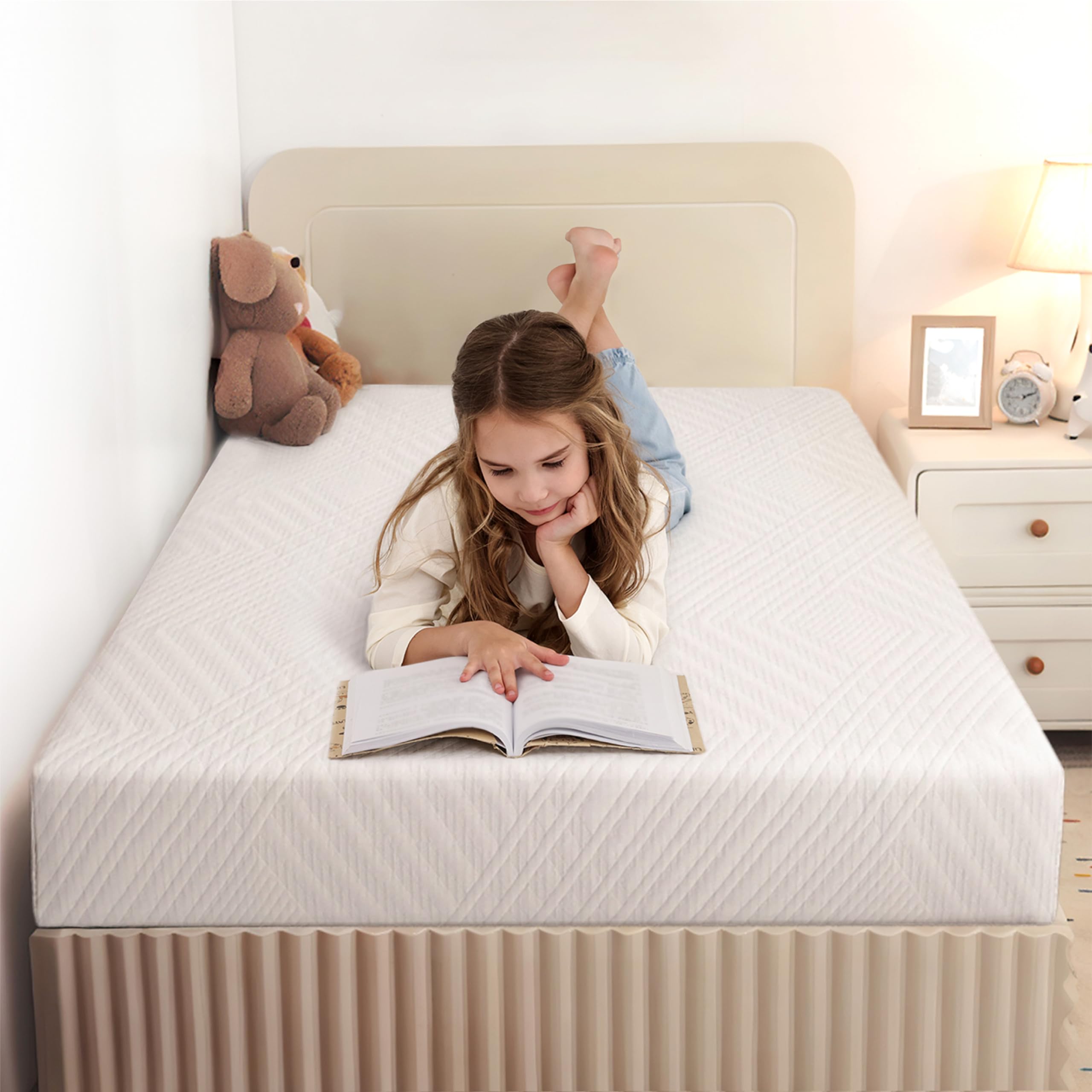
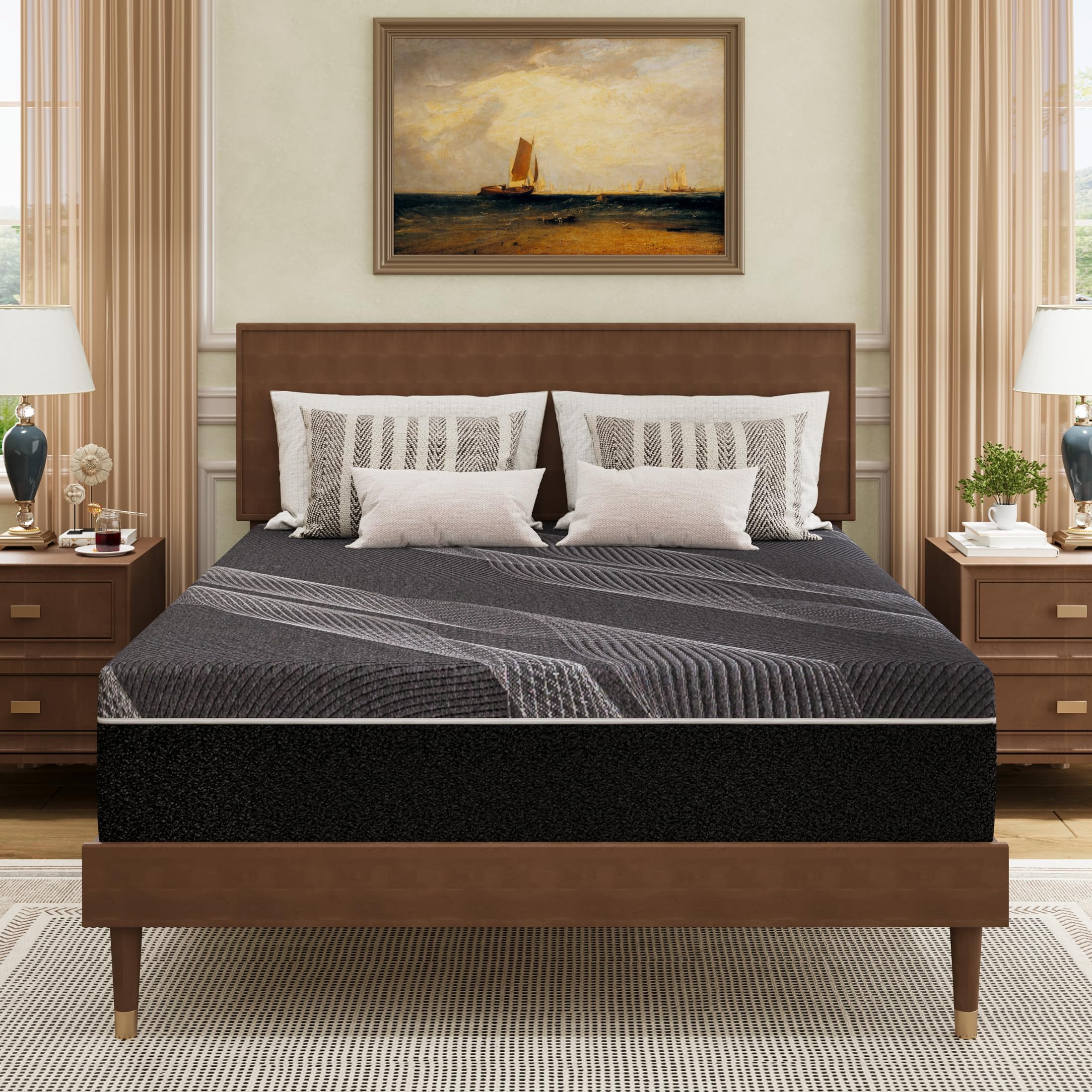
EGOHOME 14" Queen
The EGOHOME 14-inch queen uses a four-layer copper-gel memory foam build with a high-density base and an explicitly fiberglass-free inner cover. CertiPUR-US and International Chiropractors Association endorsements back the material quality and the spinal alignment profile. The medium-firm surface keeps hips aligned for back sleepers while avoiding the deep sink of softer foam.
The copper-gel layer pulls heat away from the body better than standard memory foam, and the extra thickness gives the mattress enough structure to sit near the edge without bottoming out. Partner movement stays contained, which matters for couples sharing the queen size.
This is the right queen for back-pain sufferers, hot sleepers, and couples who want motion isolation in a 14-inch foam mattress. Side sleepers who prefer deep plush comfort should plan on adding a plush topper. Buyers who need an extended trial period before committing will find better fits elsewhere in this roundup.
Pros
- Copper-gel foam construction balances comfort and support without the deep sink of plain memory foam.
- Fiberglass-free inner cover and clean certifications answer the main safety question in foam mattresses.
- Motion isolation and copper-gel cooling suit couples and hot sleepers.
Cons
- The labeled medium-firm feel can run firmer than expected.
A fiberglass-free 14-inch queen for back and stomach sleepers who want cooling and motion isolation without giving up structure.
Best for Value Queen Shoppers
Zinus 12" Green Tea Queen
The Zinus 12-inch Green Tea Queen combines an explicit fiberglass-free build with green tea and charcoal infused memory foam over dense base foam. Its construction and pricing make it a strong value-focused alternative to the firmer copper-gel top pick.
Back sleepers buying their first online queen and wanting a medium feel will get strong value from this bed. Scent-sensitive shoppers should plan for an air-out period after unboxing, and foam can soften or develop shallow body impressions after several months if the mattress isn’t rotated — the copper-gel top pick is the better fit for those who want minimal maintenance.
Pros
- Medium memory foam with enough give for pressure relief while keeping support for back sleepers.
- Cost-effective queen build that competes with pricier foam mattresses on comfort and overall quality.
Cons
- Unboxing can come with a noticeable chemical smell that may take days to clear from the room.
- Foam can soften or develop shallow body impressions over months of nightly use without periodic rotation.
A budget-friendly medium-firm queen for back sleepers who want a fiberglass-free foam bed; scent-sensitive or no-maintenance shoppers should choose the firmer copper-gel top pick.
Best for Couples King Size
Novilla Bliss 12" King
The 12-inch NanoGel foam stack concentrates on what couples notice first: motion isolation and temperature control. Edge support holds up well enough for a medium-plush bed, and the CertiPUR-US and OEKO-TEX certifications cover the foam and cover.
The right buyer is a couple on a mid-range budget who wants a king with a soft, contouring feel and minimal motion transfer. Expansion can be inconsistent, with some corners not fully plumping out, and the medium-plush surface will not suit anyone who wants a firm, non-sinking bed. Shoppers who need an explicit fiberglass-free label should verify the fire-barrier details; this listing doesn’t state that claim.
Pros
- Mid-range pricing gets you a full king without the usual memory foam markup.
- Back and side sleepers get a calm, contouring surface that supports all-night rest.
- Gel infusion pulls heat away from the sleeping surface better than standard foam.
Cons
- Corner expansion may fall short of the full 12-inch profile, leaving a visible dip along the edge.
This is the value-minded king for two sleepers who want gel-infused comfort and minimal partner disturbance.
Best for Kids’ Bunk Beds
MLILY 8" Green Tea Twin
The fiberglass-free inner cover and roughly two-hour expansion make this the lowest-fuss twin in this roundup, especially for bunk beds and kids’ rooms. The green tea gel layer keeps the surface cool without the strong chemical smell that can follow unpacking a bed-in-a-box.
The 8-inch profile sits low, which suits tighter spaces and upper bunks. The medium-firm surface can be too hard for smaller or younger sleepers, and adults who want plush cushioning will not find it here. Respect that boundary before ordering for a teen or guest room.
Pros
- Green tea gel layer delivers a cool, medium-firm surface that suits kids and occasional guests.
- Unpacking odor is minor, and the foam expands in about two hours.
- Compact 8-inch twin footprint fits bunk beds, daybeds, and tight guest rooms.
Cons
- Smaller or younger sleepers may find the surface firmer than expected.
For a bunk bed or guest-room twin, this is the fiberglass-free pick with the shortest path from box to bed.
Best for Budget Full Buyers
EGOHOME 8" Full Green Tea
The EGOHOME full-size keeps the fiberglass-free construction of the top pick in a low-profile 8-inch build. It arrives with minimal chemical smell, and the green-tea-infused memory foam layer over high-density support foam gives back sleepers a firm, stable base. Construction quality exceeds the budget price point, with a cleanly finished cover.
The 8-inch profile is better for back sleepers, teens, and guest rooms than for side sleepers who need plush hip and shoulder cushioning. Budget shoppers and bunk-bed setups get a fiberglass-free full-size mattress that does not demand a premium foundation.
Pros
- Comfortable foam surface with a steady, supportive feel
- Minimal chemical odor during setup
- Easy to unpack and place in tight spaces
Cons
- The medium-firm surface can feel firmer than the label suggests, so comfort expectations should lean toward a firm bed.
Choose this full-size when the priority is a low-cost, fiberglass-free bed for back sleepers, kids’ rooms, and guest spaces.
Best for Back-Pain Relief
Dyonery 10" Gel Queen
The Dyonery 10-inch queen uses US-made CertiPUR-US foam with a gel-infused charcoal comfort layer and an explicit fiberglass-free build, and the Oeko-Tex Standard 100 certification backs the clean construction. Compared with the high-volume queen alternative, it keeps the price lower and the feel closer to medium, which suits sleepers who want back-friendly support rather than a cloud-like cradle.
Budget-conscious queen buyers get a clean, low-cost build with pressure relief that supports back-pain sufferers. The 10-inch profile and medium feel are not for anyone who expects an extra-thick, plush mattress; a topper can adapt the surface to personal comfort preferences.
Pros
- Comfort: Gel-infused charcoal foam keeps the surface cool while offering medium pressure relief.
- Value: Budget-friendly queen pricing puts a certified foam build within reach for cost-conscious buyers.
- Support: Medium-firm response is well matched to back-pain sufferers who need steady spinal alignment.
Cons
- Firmness perception varies: the surface can read too soft to one sleeper and firmer than expected to another.
This queen fits the budget buyer who wants a clean, certified foam build and medium support without the height or cost of a 14-inch bed.
Best for Cooling King Sleepers
Sweetnight CoolNest King
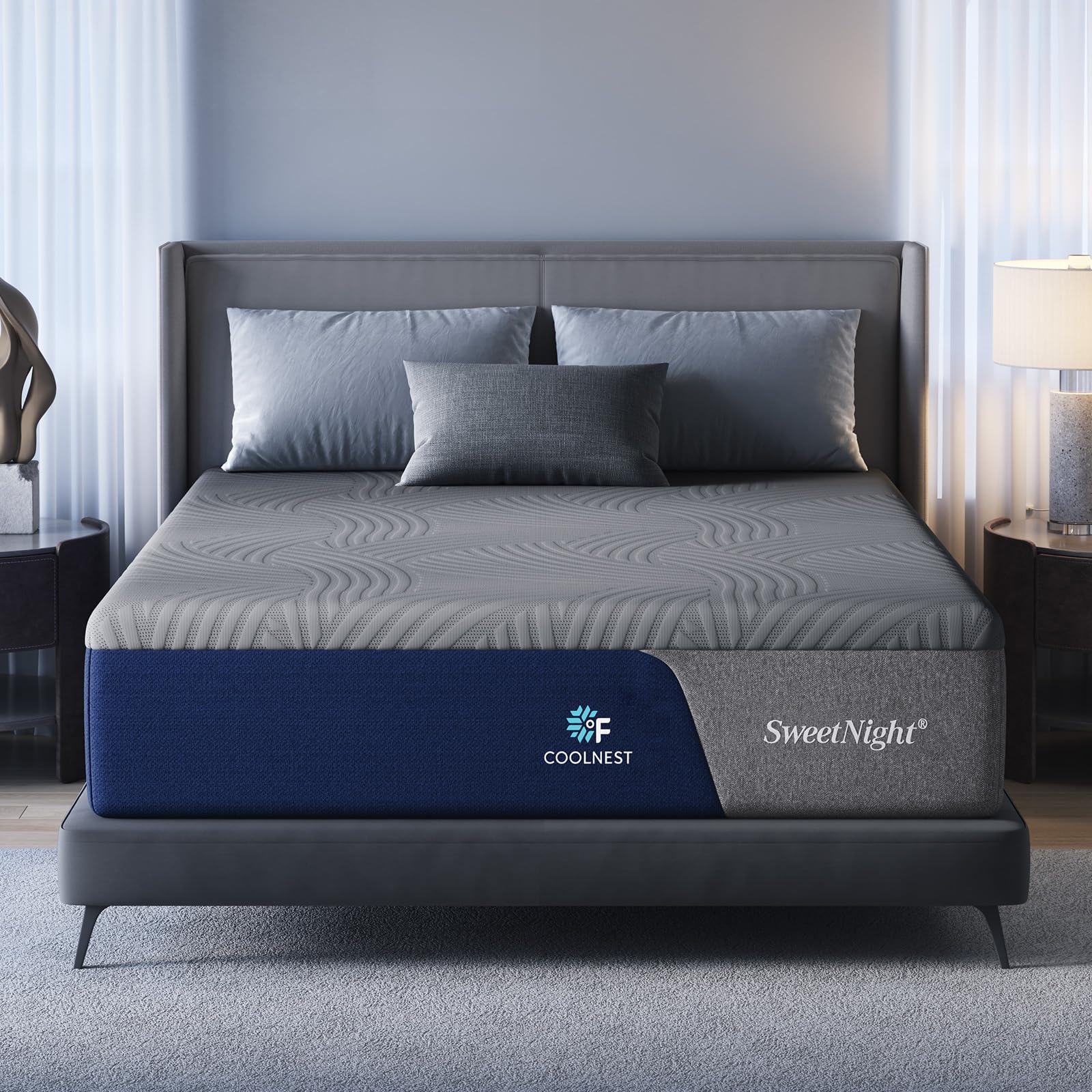
A 14-inch king with PCM gel memory foam that suits hot sleepers and offers balanced medium support. It does not explicitly advertise fiberglass-free construction, so an explicitly labeled option is a better fit for buyers who require that. Back and side sleepers who like medium comfort are the intended audience.
Pros
- PCM gel memory foam keeps hot sleepers cool through the night.
- Balanced medium support works for back and side sleepers without sacrificing comfort.
Cons
- Medium feel can be softer than expected, with noticeable sink-in for those who prefer a firm surface.
Best for hot-sleeping couples who want a king with cooling and a plush-leaning medium feel.
Best for Guest Room Use
FDW 6" Queen Gel Foam

This CertiPUR-US queen pairs gel memory foam comfort with a budget-friendly price for light-use spaces. The 6-inch profile can measure thinner than listed and may not fully expand, so it is best treated as a low-profile guest-room or kids’-room bed rather than a standard-height queen for daily adult use.
Pros
- Gel memory foam layer gives the mattress a comfortable surface for occasional sleepers.
- Budget-friendly queen price keeps guest-room setup costs low.
Cons
- For an adult expecting a standard-profile queen, the 6-inch bed can measure thinner than listed and may not fully expand.
For a guest room or kid’s room with light use, this queen is a value-minded way to add a CertiPUR-US gel foam surface without the bulk or cost of a standard-height bed.
Best for Back and Stomach
RRESTA 14" Hybrid Queen

This 14-inch hybrid pairs 850 zoned pocketed coils with a firm, fiberglass-free build and certifications that cover the basics. Back and stomach sleepers get solid support and motion isolation. Side sleepers needing plush pressure relief are better served by a softer profile, which is why it trails the top tier.
Pros
- Firm, even support surface keeps back and stomach sleepers aligned.
- Value stands out for a certified fiberglass-free hybrid.
Cons
- The side edges can compress under sitting weight, despite the reinforced-edge label.
Back and stomach sleepers who prefer a firmer sleeping surface will find a solid match here.
Best for Value Hybrid Shoppers
BedStory 14" Hybrid Queen
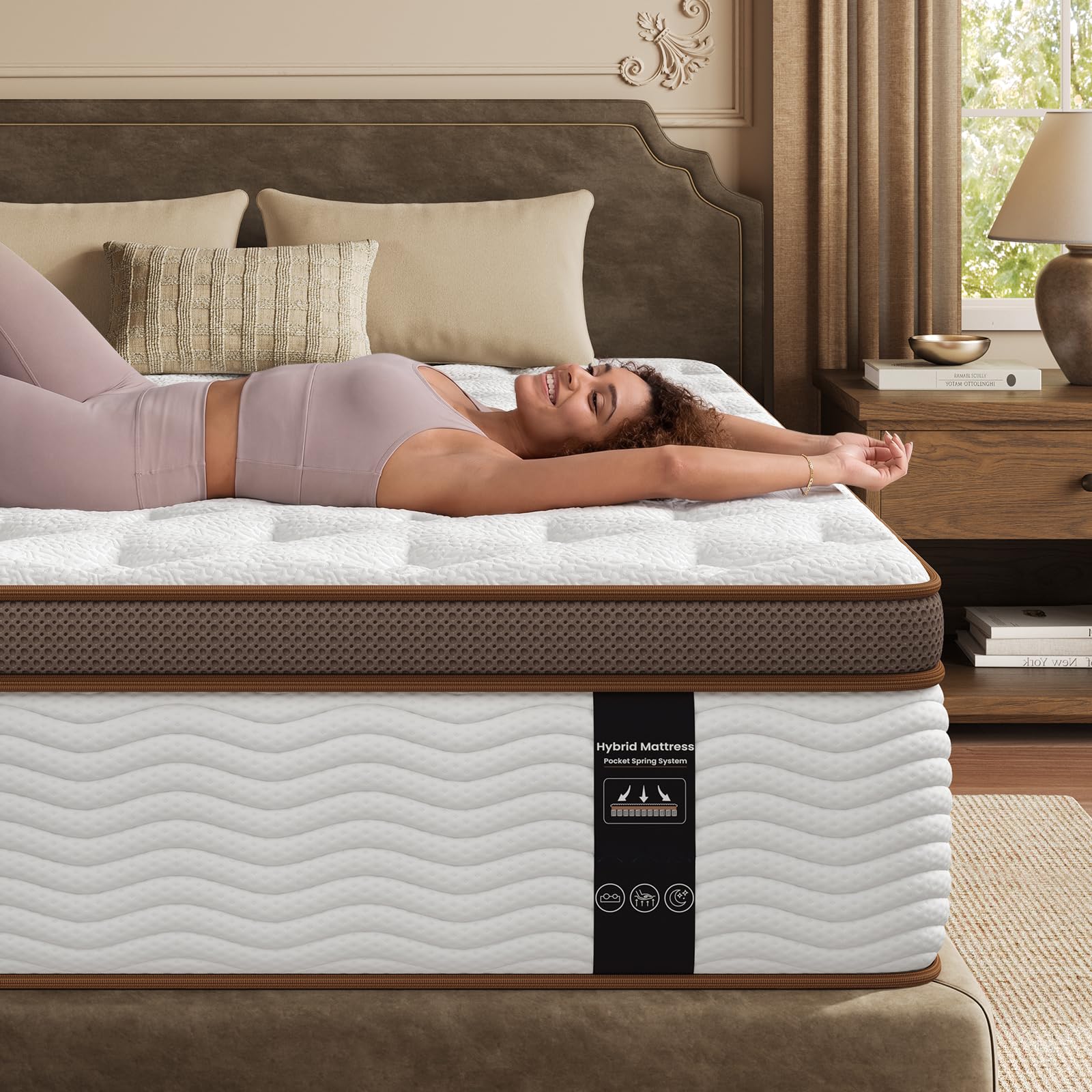
Pocketed coils and gel memory foam form a fiberglass-free 14-inch hybrid, with CertiPUR-US/OEKO-TEX certifications and a 365-night trial. The medium-firm feel runs firmer than a pillow-top, so side sleepers wanting plush cushioning should look elsewhere; that firmness boundary is why it trails the leading queen choices.
Pros
- Firm pocketed-coil support keeps the sleeping surface stable for back sleepers.
- Motion isolation makes it a workable match for couples sharing a queen bed.
Cons
- Long-term support can soften unevenly; sagging may appear after a few months of nightly use.
Back sleepers on a budget who want coil support and accept the durability tradeoff get reasonable value here.
Best for Budget Full Buyers
SynthoSpace 8" Full

SynthoSpace’s full mattress pairs green tea memory foam with a fiberglass-free jacquard cover and CertiPUR-US/Oeko-Tex certified construction at a budget price. The medium feel suits kids’ rooms, guest rooms, and budget-focused full buyers. It trails the leading full-size option for a primary adult bed; this one is best for lighter-duty rooms.
Pros
- Balanced medium feel keeps the mattress from sleeping too firm or too soft.
- Budget-friendly full build with a 10-year warranty and clean certified materials.
Cons
- Full-size only — queen and king shoppers will need to look at larger models in this set.
Fits the budget full-size buyer, kids’ room, or guest room where a clean, fiberglass-free build outweighs the need for a decade of nightly adult service.
Best for Kids’ Guest Rooms
Zinus 8" Cooling Twin
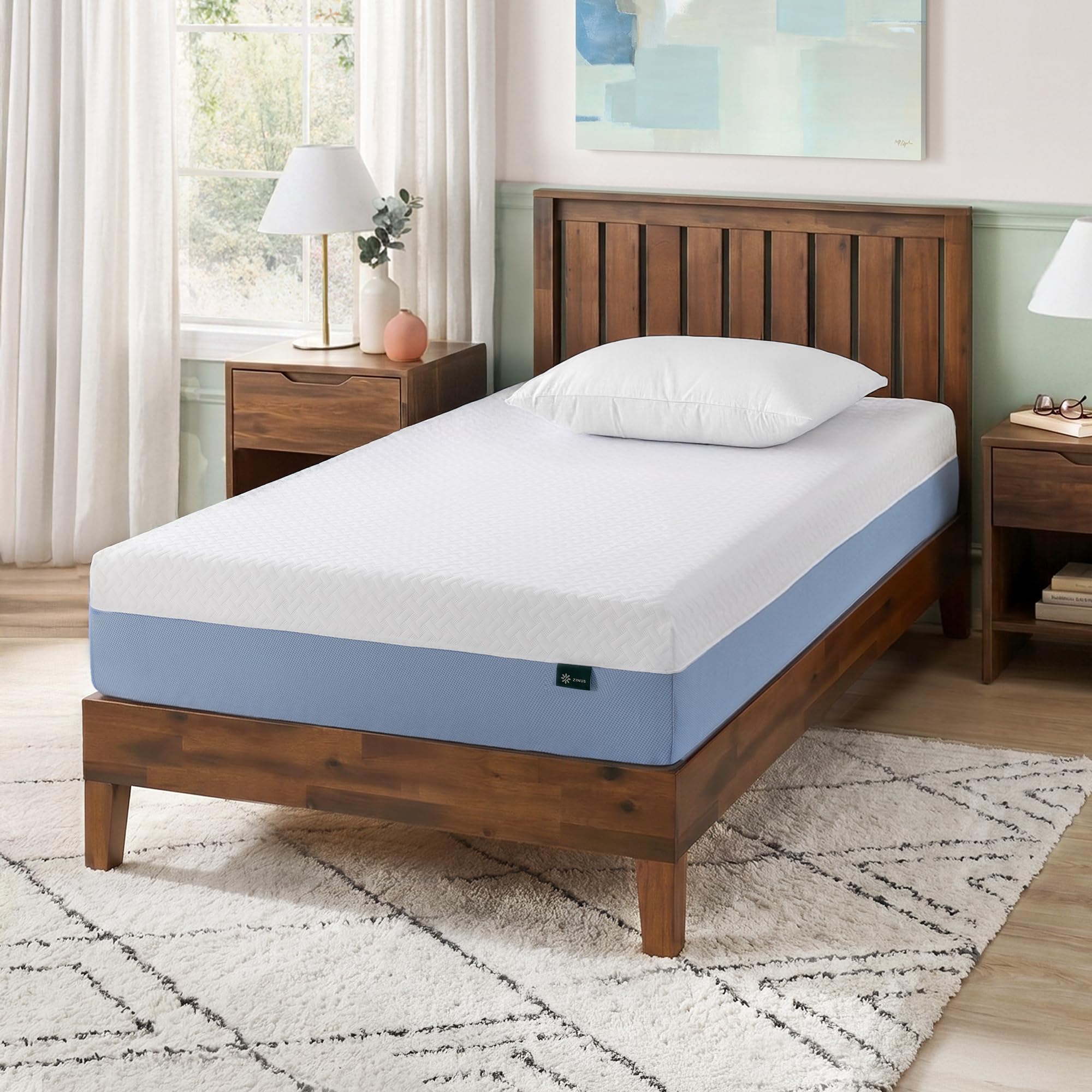
Certified fiberglass-free construction and a cool memory foam profile make this an affordable first mattress for kids and a low-stress guest bed. The firmer-than-medium feel is a real boundary for side sleepers, which is why it sits behind the MLILY twin for adults who need long-term nightly support.
Pros
- Parents and guest-room hosts get certified fiberglass-free construction without leaving the budget tier.
- Low off-gassing makes it quick to put into service in a kid’s room or guest room.
Cons
- Some units have shown sagging after extended use, so daily adult sleeping is not the best fit.
For a kids’ room or guest twin, this is a legitimate low-cost option; for daily adult support, the top twin pick is the better call.
Best for Side Sleepers
Lucid 10" Plush Gel Full

The Lucid 10-inch Plush Gel Full uses a fiberglass-free build with a 2.5-inch gel comfort layer and bamboo charcoal cover. It fits side sleepers wanting plush pressure relief in a guest room. Firmness can vary between units, and some units may not reach the full 10-inch thickness — enough variance to keep it out of the top tier.
Pros
- Plush gel comfort layer gives side sleepers pressure relief in a fiberglass-free build.
- Strong value for a full mattress at a mid-range price.
Cons
- Stomach sleepers who need a firm surface won’t find enough support here.
Best for side sleepers adding a guest-room full who want a plush, fiberglass-free surface at a value price.
How to Choose
The most important step is confirming the fire barrier itself is fiberglass-free, because a mattress can carry CertiPUR-US foam certification and still use a fiberglass sock beneath the cover.
Fiberglass-Free Fire Barrier
Fiberglass in mattresses typically sits in the inner fire sock that wraps the foam core. Many brands rely on it for flame resistance without labeling it clearly, so look for explicit language like ‘fiberglass-free FR inner cover’ rather than assuming a CertiPUR-US badge guarantees its absence.
If you ever remove the outer cover, a fiberglass sock can release tiny glass fibers into the air, which is why manufacturers warn against unzipping. A fiberglass-free build removes that hazard and also makes the bed safer to handle if the cover needs washing.
Height and Support Core
Thickness is a rough proxy for how much support foam sits beneath the comfort layer. A 6-inch mattress may have only 5 inches of base foam under a thin comfort layer, which works fine for kids and guest rooms but often lets adult sleepers feel the foundation or the floor through the bed.
For daily adult use, a 10-14 inch profile provides enough high-density base foam to keep your hips aligned and prevent premature softening. Taller builds also make getting in and out of bed easier, especially for older adults or anyone with limited mobility.
Firmness and Sleep Position
Firmness labels describe the top comfort layer, not the deeper support feel after you sink in. A medium-plush memory foam mattress can still feel firm to a 140-pound side sleeper because the comfort layer does not compress enough to relieve shoulder pressure.
Back sleepers generally need medium to medium-firm support to maintain the natural curve of the lower back. Stomach sleepers need a firmer surface to keep the hips from dipping. Side sleepers, especially at higher body weights, benefit from a thicker plush comfort layer that allows the shoulder and hip to sink without the spine twisting.
Cooling Technology
Gel, copper, green tea, and PCM infusions are added to memory foam to counter its tendency to trap body heat. Gel beads absorb heat, copper disperses it, and PCM (phase-change material) actively pulls warmth away from the skin, but none of these mechanisms replaces breathable airflow through the mattress.
If you sleep hot, prioritize a mattress with multiple cooling layers rather than a single thin gel-infused comfort layer. A breathable cover and high-density base foam that does not retain heat matter just as much as the advertised cooling ingredient.
Certifications
CertiPUR-US verifies that foam is free from ozone depleters, certain flame retardants, and heavy metals, but it does not tell you anything about the fire barrier material itself. OEKO-TEX Standard 100 covers the cover and textile layers, not the foam core.
A mattress can hold both certifications and still contain a fiberglass fire sock. That is why the explicit fiberglass-free claim is the one that matters for this buying decision. ICA or ACA endorsements add credibility for back-pain support but do not replace certification checks.
FAQ
How can I tell if my mattress has fiberglass?
Look for a tag or spec sheet that mentions a fiberglass fire sock, a fiberglass barrier, or woven fiberglass layers. If the mattress lists CertiPUR-US foam but says nothing about the fire barrier, contact the manufacturer directly and ask whether the inner cover contains fiberglass. Do not unzip the outer cover to check, because disturbing a fiberglass sock can release irritants into the room.
Do fiberglass-free mattresses still off-gas?
Yes, because fiberglass is a fire barrier, not a source of chemical smell. The odor you notice after unboxing comes from volatile organic compounds (VOCs) released by new polyurethane foam. Even fiberglass-free CertiPUR-US mattresses can have a noticeable smell for a few days, though the EGOHOME and MLILY models in this list draw strong no-odor feedback from buyers.
Why did my bed-in-a-box mattress not expand fully?
Memory foam needs time, warmth, and unobstructed space to reach its full shape. Cold rooms slow expansion, and corners are the most common place for foam to stay compressed if the mattress was folded tightly. Most manufacturers recommend 24 to 72 hours of expansion time, but if edges remain flattened after that, contact the seller because some units simply arrive with damaged or low-quality foam.
Is a 6-inch mattress too thin for an adult to sleep on?
For most adult sleepers, yes. A 6-inch profile typically leaves only about 5 inches of base foam under a thin comfort layer, which means heavier hips and shoulders can press straight through to the foundation. Six-inch beds work for kids, guest rooms, and daybeds, but most full-size adult sleepers will sleep better on a 10-inch or taller mattress.