
This post contains affiliate links. We may earn a small commission when you buy through our links — at no extra cost to you.
Most side sleepers don’t need another mattress claiming ‘zoned support’ and ‘cooling gel.’ They need a bed that lets their hips and shoulders sink just enough to keep the spine straight, without turning the lower back into a sag.
Firmness and pressure relief are where mattresses actually differ. A ‘medium’ label can feel completely different depending on body weight, and a mattress that helps one sleeper can cause hip pain for another. Thickness and cooling tech matter less than how the top comfort layer responds to your frame.
The trade-off to resolve is cooling hardware versus an all-round feel. Advanced phase-change materials can keep you cooler, but they add cost and can change the surface feel. If overheating is not your main issue, a balanced foam construction with fewer variables is the more dependable choice.




Best for Queen Side Sleepers
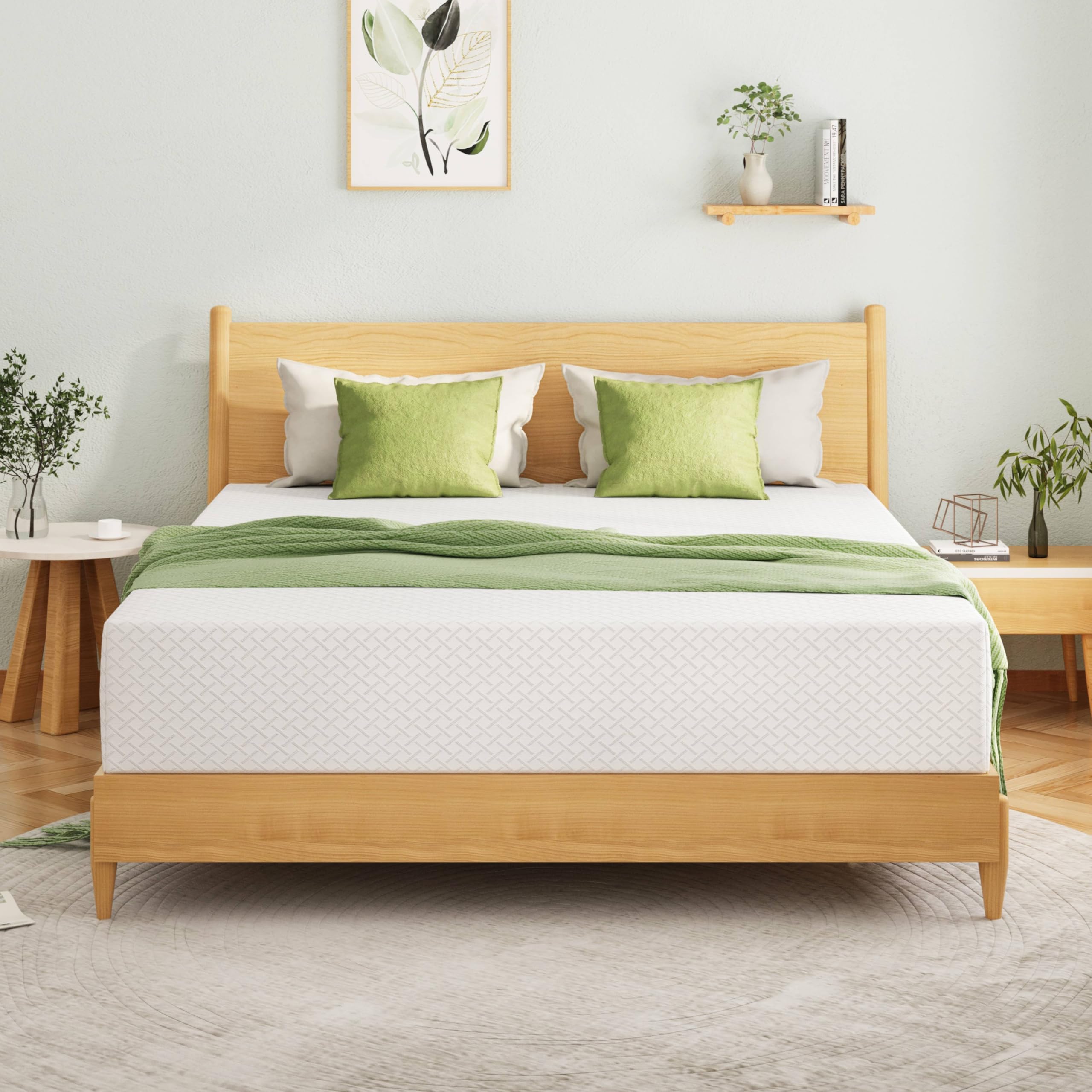
Novilla Green Tea 14 Inch
Key Features
- Firmness: Medium Firm
- Construction: Memory Foam
- Thickness: 14 Inch
- Cooling Tech: Green tea gel
- Safety & Trial: 100-night trial, 10-year protection
- Price: $$
The Novilla Green Tea Queen delivers a balanced medium-firm feel on a 14-inch green tea gel memory foam core. The foam contours around the hip and shoulder while the support layer keeps the spine aligned, which is the combination side sleepers need for pressure relief without excess sink.
The bed sits in a consistent medium-firm zone: supportive enough for back-pain sufferers to wake without stiffness, yet soft enough for a wide range of side-sleeping body types. The breathable side panel and gel infusion help with temperature, though this is not a dedicated cooling system. A 100-night trial and 10-year protection make the purchase easier to evaluate in your own bedroom.
This queen is best for side sleepers who want contouring with a balanced amount of support, and for back-pain sufferers who need a medium-firm surface. Side sleepers who want a deeply plush, sink-in feel may find this medium-firm profile firmer than their preference.
Pros
- Body contouring eases hip and shoulder pressure without letting the sleeper sink too far.
- Balanced medium-firm support holds the spine in line while still following the body’s curves.
- Sleepers wake without stiffness, a sign of effective pressure relief.
Cons
- Perimeter support is foam-only, so sitting close to the edge can feel less stable than a coil-reinforced hybrid.
- All-foam core lacks the bounce of a hybrid, which may matter for those who change positions during the night.
The Novilla Green Tea Queen is the balanced pick for side sleepers and back-pain sufferers who want pressure relief and spinal alignment in a mid-range all-foam mattress.
Best for Hot Side Sleepers
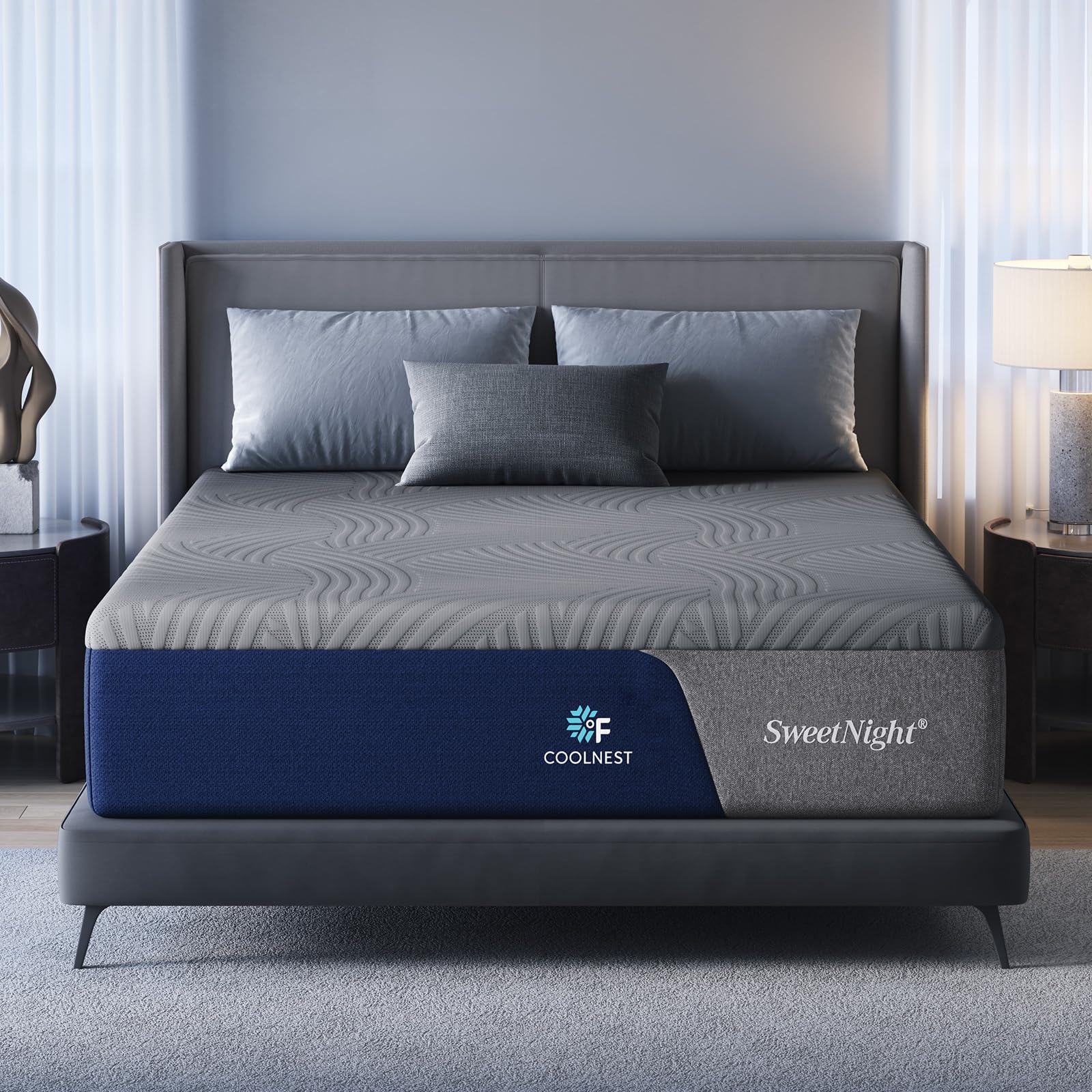
Sweetnight CoolNest 14 Inch
Key Features
- Firmness: Medium
- Construction: Memory Foam
- Thickness: 14 Inch
- Cooling Tech: CoolNest PCM, gel foam
- Price: $$$
The CoolNest separates itself with phase-change material and gel-infused memory foam that keep the sleeping surface noticeably cooler than the top pick’s more neutral build. ACA-recognized five-zone support adds targeted pressure relief at the shoulders, hips, and lower back, so hot side and back sleepers get cooling and alignment in one layer.
This premium-priced 14-inch queen fits hot side and back sleepers who want a medium, cushioned feel with active cooling. Not for strict budget shoppers, and heavier side sleepers may want a firmer support layer than this profile provides.
Pros
- Phase-change layer pulls heat away from the surface for hot sleepers.
- Five-zone support relieves pressure at shoulders, hips, and lower back.
- Balanced medium feel keeps cushioning at pressure points while giving enough support for side sleeping.
Cons
- Some side sleepers may find the plush-leaning medium profile sinks more than they expect from a 14-inch foam bed.
For hot side sleepers who want cooling and ACA-recognized zoned support in a 14-inch queen, this is the direct choice.
Best for Side-Sleeping Couples
Novilla Bliss 14 Inch King
Key Features
- Firmness: Medium Plush
- Construction: Memory Foam
- Thickness: 14 Inch
- Cooling Tech: Gel memory foam
- Safety & Trial: CertiPUR-US, ACA recognized
- Price: $$
This 14-inch king pairs gel-infused memory foam with reinforced edges and a medium-plush surface. Side-sleeping couples get pressure relief at the hips and shoulders, while the dense foam and perimeter support limit roll-together and sink when sitting near the edge. CertiPUR-US certified foam and a 600 lb weight capacity fit two average-sized adults with room to spare.
It suits couples who want a king-sized cooling foam bed at a mid-range price and side sleepers who need cushioning rather than a hard slab. The 14-inch profile and gel layer keep it competitive without jumping into premium cooling price territory. Expansion can be uneven in some units, so allow the full 72-hour window before judging comfort.
Pros
- Reinforced edges and motion-dampening foam keep couples from rolling together at night.
- Gel-infused foam helps the surface run cooler than standard memory foam.
- Medium-plush feel cushions hips and shoulders for side-sleeping comfort.
Cons
- Firmness can land firmer than the medium-plush label suggests for lighter side sleepers.
For couples who want a king-size cooling foam bed with edge support, this is the value-focused alternative to the queen top pick.
Best for Heavy Side Sleepers
FP FLEXPEDIC Hybrid 14 Inch
Key Features
- Firmness: Medium Firm
- Construction: Hybrid
- Thickness: 14 Inch
- Safety & Trial: 365-night trial, lifetime warranty
- Price: $$$
The FP FLEXPEDIC Hybrid 14-inch combines 768 zoned pocketed coils with a reinforced perimeter and a 1000-pound capacity, so the support area stays stable edge to edge. The medium-firm surface limits hip sink and keeps the spine aligned without the sluggish feel of dense all-foam construction. A 365-night trial backs the hybrid build for heavier sleepers.
This suits side sleepers who need more structure than the top pick’s balanced memory foam provides, particularly heavier body types or those who sleep near the edge. The tradeoff: the medium-firm surface can be too unyielding for side sleepers who want deep pressure relief in the hip and shoulder.
Pros
- Reinforced edges hold firm for heavier side sleepers, keeping the support surface usable edge to edge.
- Zoned coils limit hip sink and help keep the spine aligned for those with back pain.
- The 365-night trial and lifetime warranty back the premium price.
Cons
- Side sleepers who want deep hip-and-shoulder pressure relief may find the medium-firm surface too unyielding.
Heavier side sleepers who need edge support and spinal alignment over plush cradling will get the most from this hybrid.
Best for Budget King Buyers
EGOHOME King 12 Inch
Key Features
- Firmness: Medium Firm
- Construction: Memory Foam
- Thickness: 12 Inch
- Cooling Tech: Gel memory foam
- Safety & Trial: CertiPUR-US, fiberglass-free
- Price: $
The EGOHOME King delivers a low-price 12-inch foam mattress with CertiPUR-US materials and quick, low-odor setup. The medium-firm surface supports back and stomach sleepers without excessive sink, making it a practical pick for guest rooms and rental properties. The value case is simple for a king in this budget tier: certified materials, quick expansion, and a no-fuss support profile.
For side sleepers, this bed suits those who prefer a firmer, more aligned surface over deep plush cradling. Budget-focused king shoppers get certified foam, simple setup, and a clear support profile in one box.
Pros
- Budget-friendly king with broad support for back and stomach sleepers.
- Easy setup with quick expansion and minimal odor.
- CertiPUR-US and fiberglass-free foam construction.
Cons
- The medium-firm foam can feel hard to side sleepers who need extra hip and shoulder cushioning.
This king is the value pick for side sleepers who prefer stable support over plush cushioning.
Best for Back/stomach Sleepers
RRESTA 7-Zone Hybrid 14 Inch
Key Features
- Firmness: Medium Firm
- Construction: Hybrid
- Thickness: 14 Inch
- Safety & Trial: 365-night trial
- Price: $$
850 pocketed coils and seven-zone support create a firm, stable surface that keeps hips aligned without deep sink. The zoned coil layout supports the lower back without creating a hard pressure point. This hybrid favors spinal alignment over plush cradling, which matches side sleepers who find soft memory foam unsupportive. The 365-night trial lets you test that firmness at home.
It suits side sleepers with back pain who want a firmer surface, plus back and stomach sleepers who stay centered while sleeping. Sitting directly on the perimeter can compress the sides, so this bed is a better fit for people who don’t lean on the edge.
Pros
- Firm support keeps hips aligned with less sink for side sleepers who prefer a stable surface.
- Quality construction at a mid-range price gives this hybrid a strong value profile.
- Consistent sleep quality on the firmer feel, with fewer pressure-point complaints.
Cons
- Side sleepers who need deep shoulder and hip cushioning may find the medium-firm surface too unyielding.
A firm-support hybrid for side sleepers who want less sink and more spinal alignment, with a long trial to confirm the feel.
Best for Back-Pain Shoppers
MLILY EGO 14 Inch Queen

Key Features
- Firmness: Medium Firm
- Construction: Memory Foam
- Thickness: 14 Inch
- Cooling Tech: Copper gel
- Safety & Trial: CertiPUR-US, ICA, fiberglass-free
- Price: $$$
An ICA-endorsed four-layer copper-gel build gives this 14-inch queen a premium position for back-pain-focused side sleepers. It costs more than the top pick, and firmness/back-support response can vary; side sleepers who want deep hip and shoulder cushioning may find it too firm.
Pros
- ICA-endorsed four-layer construction supports back-pain-focused side sleepers.
- Copper-gel infusion helps regulate temperature for hot sleepers.
Cons
- No at-home sleep trial means committing to the feel before testing pressure relief.
Best for back-pain-focused side sleepers who want a 14-inch copper-gel foam bed with a recognized endorsement rather than the lowest price.
Best for Budget Side Sleepers
Niqooia Queen Hybrid 12 Inch

Key Features
- Firmness: Medium
- Construction: Hybrid
- Thickness: 12 Inch
- Safety & Trial: CertiPUR-US, fiberglass-free
- Price: $
At its price, this 12-inch hybrid gives light-to-average side sleepers a CertiPUR-US pocketed coil core with quick, low-odor setup and a synthetic silk cover. Firmness can vary, and perimeter support is not built for heavy users, so it stays a value-focused secondary pick rather than a top queen recommendation.
Pros
- Light-to-average side sleepers get pocketed coil support with a medium feel that avoids deep sink.
- Low-odor, quick-expanding setup suits buyers who want to sleep on the bed soon after unboxing.
Cons
- Shoppers expecting a plush, body-hugging memory foam sink won’t find that here.
This budget hybrid suits light-to-average side sleepers who want coil support and a quick, low-odor setup.
Best for Budget Hybrid Shoppers
Soxgim Queen Hybrid 12 Inch

Key Features
- Firmness: Plush
- Construction: Hybrid
- Thickness: 12 Inch
- Price: $
870 pocketed coils at an entry-level price give this queen a springy hybrid feel that budget shoppers and guest-room setups can appreciate. But springiness may be felt or heard, and stitching or dimensions can vary, so it trails top-tier hybrids on consistency. Side sleepers who hate bounce or expect premium edge support and a flawless finish are better served elsewhere.
Pros
- Delivers strong comfort for the price, with a supportive yet lively feel from pocketed coils.
- Offers coil support at a price that undercuts comparable hybrid queens.
Cons
- Springs may be felt or heard during movement, which can bother sleepers who prefer quiet support.
Fine for budget guest rooms and kids’ rooms where a little bounce is acceptable; less suitable for side sleepers who want a quiet, plush bed.
How to Choose
For side sleepers, the first decision is whether your hips and shoulders will sink enough to keep your spine straight without letting your lower back sag.
Firmness: Match It to Your Body Weight
Firmness labels are not standardized. A ‘medium plush’ mattress can feel supportive to a 180-pound sleeper and unyielding to a 120-pound sleeper, because pressure relief depends on how deeply your hips and shoulders press into the foam.
Think in terms of sink and support. Side sleepers need the foam to yield at the shoulder and hip but not let the lumbar spine sag. If you weigh more than 200 pounds, a medium-firm profile is safer; if you weigh under 150 pounds, a medium or medium-plush build may give you the cradling you need.
Construction: All-Foam vs Hybrid
All-foam mattresses isolate motion and contour closely, which helps hip pressure but can make it harder to switch positions. Hybrids combine pocketed coils with a foam comfort layer, adding bounce, edge support, and airflow.
If you share a bed and wake at small movements, all-foam construction limits motion transfer. If you want easier repositioning and stronger perimeter support, a hybrid with a higher coil count gives structure without making the surface hard.
Thickness: 12 vs 14 Inch
Thicker mattresses are not automatically better. A 14-inch profile usually adds comfort and transition layers, which can improve pressure relief and make the bed feel more substantial when you sit on the edge.
The trade-off is frame fit and sheet depth. A 14-inch foam bed raises the sleep surface and may need deep-pocket sheets. A 12-inch mattress is easier to fit and lighter to move, which matters for guest rooms and second bedrooms.
Cooling Technology: Gel vs PCM
Gel-infused foam absorbs and disperses heat only if the gel is distributed through the comfort layer. It helps some sleepers, but a dense foam core can still trap body heat overnight.
Phase-change materials are more active: they absorb heat at the surface and release it as you cool down. If you sleep hot, look for PCM covers or a hybrid with coil airflow rather than relying on a gel label alone.
Safety and Risk Reversal: Certifications and Trials
CertiPUR-US certification limits harmful chemicals in the foam, and fiberglass-free construction avoids a fiberglass layer under the cover. These are not comfort features, but they determine whether a mattress is safe to use the day it arrives.
A trial period matters more than a warranty for side sleepers, because firmness preference is personal. A 100-night trial lets you test pressure relief after the foam fully expands; a warranty only helps after structural damage appears.
FAQ
Why hasn’t my mattress-in-a-box fully expanded after 72 hours?
Most foam mattresses arrive compressed in a vacuum-sealed roll and need 72 hours to reach their full shape. Cold room temperatures slow expansion, and corners are often the last areas to fill, so give the bed a full three days before judging comfort. If the corners still feel collapsed after that, contact the manufacturer with photos and request a replacement.
Why does my memory foam mattress feel harder than the ‘medium’ label?
Firmness labels describe the foam’s intended feel, but your body weight determines how much sink you get. A lighter sleeper presses less deeply into the same foam, so a ‘medium plush’ bed can read as firm. Give the mattress a 30-day break-in period, then use a mattress topper only if the pressure at your hip and shoulder remains.
Is a 14-inch mattress better than a 12-inch for side sleepers?
Not inherently. The extra two inches usually come from additional comfort or transition foam, which can improve pressure relief, but the top layer’s firmness matters more. A 12-inch hybrid with good coils and a supportive comfort layer can outperform a thick all-foam bed that sinks too much.
What happens if I don’t like a mattress-in-a-box after sleeping on it?
Check the trial and return policy before opening the box, because policies vary widely. Some manufacturers offer 100-night or 365-night trials with free returns, while others classify opened mattresses as non-returnable. If the trial requires you to sleep on the mattress for 30 nights first, follow that rule so the return stays eligible.