
This post contains affiliate links. We may earn a small commission when you buy through our links — at no extra cost to you.
Fibromyalgia makes the mattress decision feel higher-stakes because pressure points can turn a bad night into a week of flare-ups. Most listings advertise cooling gel and CertiPUR-US foam, but the features that actually decide whether you wake up sore are firmness, zoned support, and edge stability.
A plush surface sounds like the answer, but overly soft foam can let your hips and shoulders sink into misalignment. The more consistent real-world approach is a medium-firm comfort layer that relieves pressure while keeping your spine supported through the night.
This guide focuses on that balance for fibromyalgia sleepers: enough cushioning for tender points, enough structure for back and hip alignment, and honest trade-offs around firmness and cooling so you can match the bed to your body type.



Best for Balanced Queen Comfort
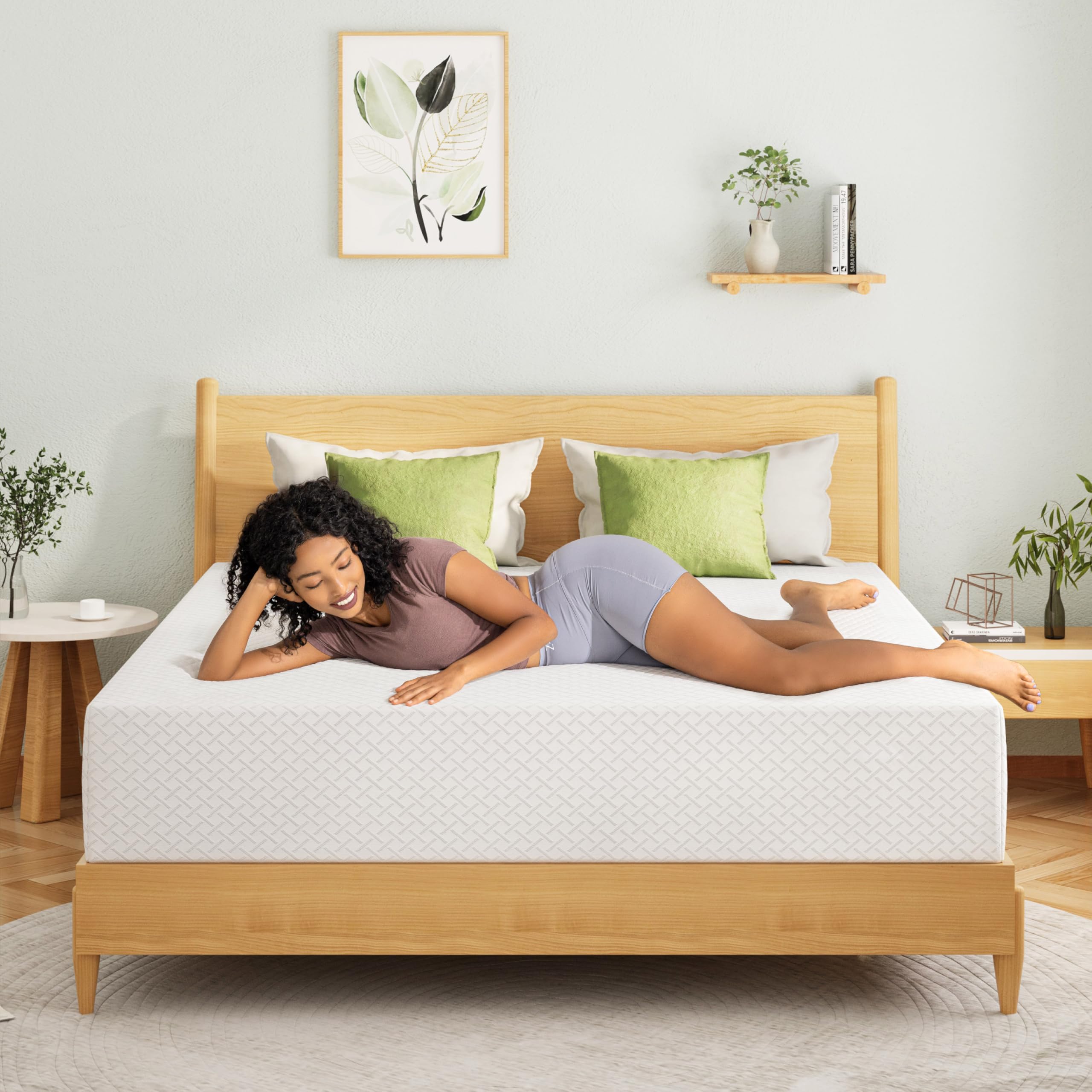
EGOHOME 12-inch Green Tea Queen
Key Features
- Firmness: Medium Firm
- Construction: Memory Foam
- Certifications: CertiPUR-US, fiberglass free
- Weight Capacity: 750 lb
- Price: Budget
The 12-inch EGOHOME queen pairs a four-layer memory-foam build with a green-tea gel layer, landing on a medium-firm feel that cushions hips and shoulders while holding the spine in a neutral line. Its 750-lb weight capacity and CertiPUR-US certification are meaningful specs at a budget-queen price. Setup is low-friction: the mattress arrives compressed, expands fully within a day, and the initial odor is faint enough to clear quickly.
Motion isolation is strong, so a shifting partner rarely disturbs the other side of the bed. The foam absorbs movement well enough for couples sharing a queen. The green-tea layer keeps the sleeping surface temperature neutral rather than actively cool, which suits back and stomach sleepers.
For fibromyalgia shoppers who need pressure relief without a sagging feel, this medium-firm base is a strong match for back and stomach sleepers. Firmness can run too hard for some side sleepers, and comfort depends on body type and sleeping position, so it is not a plush, hug-style memory-foam bed. Couples on a budget get strong motion isolation without a premium markup.
Pros
- Medium-firm surface cushions hips and shoulders while keeping the spine aligned for back and stomach sleepers.
- Comfort feedback stays positive across a wide range of body sizes and sleep styles.
- A 750-lb capacity and CertiPUR-US certification at a budget-queen price leave room in the budget.
Cons
- The medium-firm surface can read too hard for light side sleepers who prefer a plush feel.
- Support outcomes depend on body type, and some sleepers may notice new lower-back pressure.
For fibromyalgia shoppers who want support-first pressure relief, the EGOHOME 12-inch Green Tea queen is the strongest budget match in this lineup. Choose it if you know a medium-firm surface works for your sleep style.
Best for Full-Size Budget Comfort
Novilla 10-inch Full Gel Foam
Key Features
- Firmness: Medium Plush
- Construction: Memory Foam
- Certifications: CertiPUR-US, ACA
- Weight Capacity: 500 lb
- Price: Budget
The Novilla 10-inch Full is the safer pick among budget full-size foams: its three-layer build supports sleep quality and holds up at the perimeter better than typical at this price. Gel cooling is present but modest, so it should be treated as a secondary benefit rather than the reason to buy.
This medium-plush bed fits fibromyalgia shoppers, singles, and guest rooms that need affordable pressure relief. Firmness can read soft or firm depending on body type, and some units may not fully expand at the corners — both are worth checking before you commit.
Pros
- Pressure relief and sleep-quality feedback are strong for the price.
- Edge support holds up better than typical for a budget foam bed.
- Value for money draws broad praise at this price tier.
Cons
- In some cases, a medium-plush profile can aggravate back or hip pain if your support needs are more specific.
For full-size fibromyalgia shoppers who want pressure relief and edge support on a budget, this is the more dependable foam choice.
Best for Budget Cool-Sleep Queen
Novilla 12-inch Cool Night Queen
Key Features
- Firmness: Medium Plush
- Construction: Memory Foam
- Certifications: CertiPUR-US, OEKO-TEX
- Weight Capacity: 500 lb
- Price: Budget
Novilla’s 12-inch Cool Night Queen leads with strong comfort approval for a budget memory foam bed, pairing plush top layers with enough back support that side and back sleepers don’t feel like they’re sinking aimlessly.
Best for fibromyalgia shoppers who want medium-plush pressure relief at a low price. A small minority of sleepers find it extremely firm, and the cooling effect is modest rather than aggressively chilled.
Pros
- Strong comfort approval for a budget queen — plush enough for pressure relief without losing support.
- Back support and pressure relief work together for side and back sleeping fibromyalgia shoppers.
- Cooling foam reduces heat retention compared with ordinary memory foam.
Cons
- At 12 inches, it sits lower than 14-inch models — not for shoppers who want a heavy-duty profile.
A budget queen that pairs plush cushioning with back support for fibromyalgia shoppers.
Best for Zoned Pressure Relief
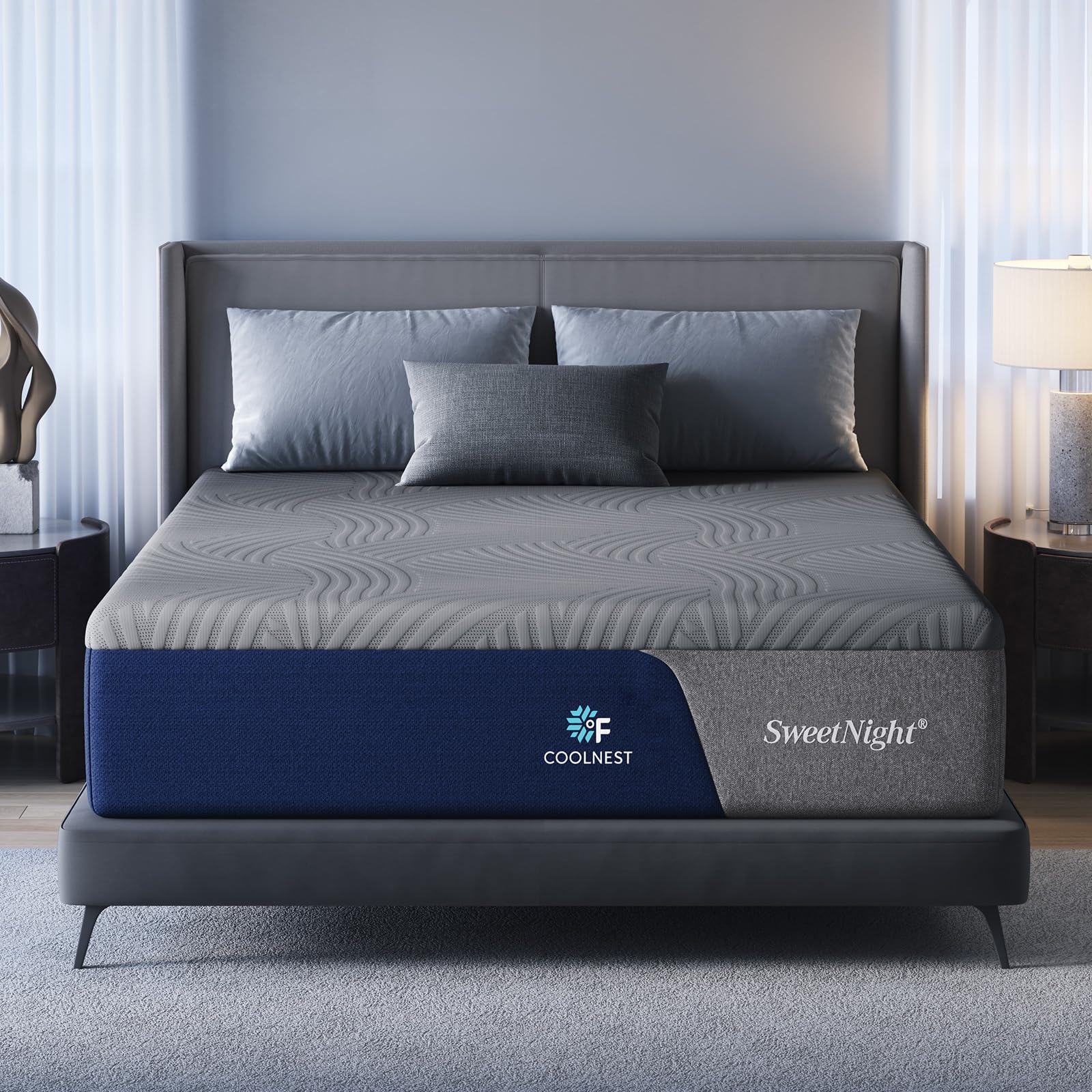
Sweetnight CoolNest 14-inch Queen
Key Features
- Firmness: Medium
- Construction: Memory Foam
- Certifications: CertiPUR-US, ACA recognized
- Price: Mid-Range
Sweetnight’s CoolNest uses six foam layers and a five-zone ergo support system to distribute weight across pressure points, while PCM cooling helps regulate nighttime temperature. The ACA-recognized design reads as a premium build with a medium feel that suits a wide range of sleepers, though it trails the top pick on overall value.
Fibromyalgia patients who want zoned pressure relief in a medium-feel foam bed are the core audience. The medium surface can feel too soft for those who prefer firm alignment, and excessive sink-in has been noted, so shoppers needing a stable, firmer base should steer toward the top pick.
Pros
- Five-zone ergo support eases pressure points and keeps the spine aligned.
- PCM cooling helps hot sleepers stay comfortable through the night.
- The six-layer construction feels premium and well balanced.
Cons
- The medium surface can allow excessive sink-in for sleepers who need a firmer feel.
Fibromyalgia shoppers who value targeted pressure relief and a medium-feel cooling surface have a purpose-built option here.
Best for Firm Spinal Support
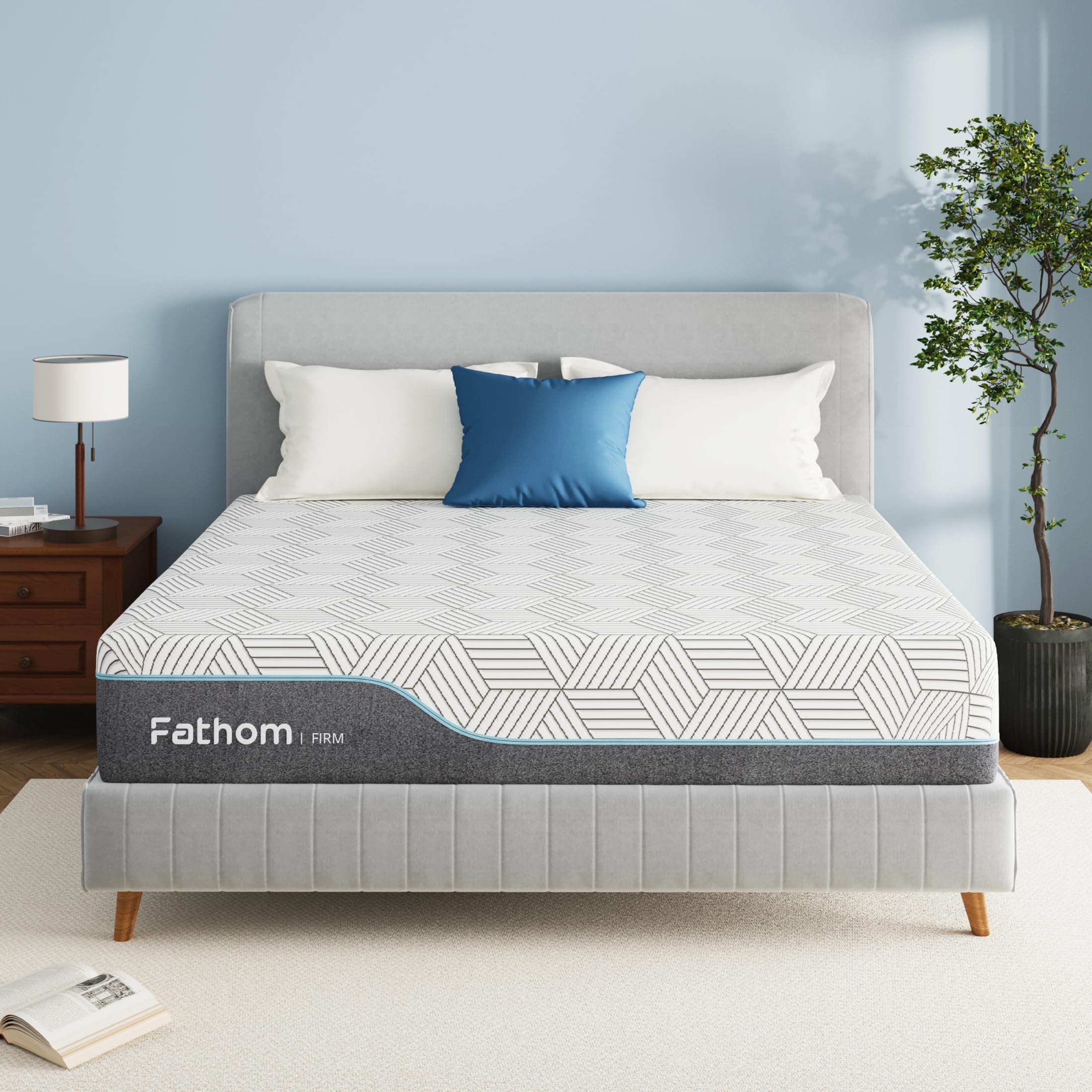
FATHOM Firm 12-inch Queen
Key Features
- Firmness: Firm
- Construction: Memory Foam
- Certifications: CertiPUR-US, fiberglass free
- Weight Capacity: 750 lb
- Price: Mid-Range
This 12-inch firm memory foam mattress prioritizes spinal alignment over plush pressure relief, delivering a stable surface for back-pain sufferers. The removable, washable fiberglass-free cover is a practical bonus, and the 12-inch profile suits medium-to-heavy sleepers. Setup is simple with minimal odor on unboxing.
For fibromyalgia patients whose pain improves on a firm, aligned surface, this bed offers strong support with a 750-lb capacity. Firmness can read slightly less firm than expected, and shape retention can weaken in high-use areas over time, so heavier sleepers should monitor the surface for sagging.
Pros
- Strong support and back-pain relief for sleepers who need firm spinal alignment.
- Removable, washable fiberglass-free cover makes maintenance simple.
- Setup is quick and unboxing odor is minimal.
Cons
- Fibromyalgia patients with very sensitive pressure points who need soft contouring won’t find it here.
This mid-range firm-support mattress delivers the alignment-heavy feel it promises.
Best for Hybrid Lumbar Support
RRESTA 14-inch Hybrid Queen
Key Features
- Firmness: Medium Firm
- Construction: Pocket Spring Hybrid
- Trial: 365-night trial
- Price: Mid-Range
The RRESTA is a coil-forward hybrid with 850 pocketed coils, 7-zone support, and a 365-night trial — a combination that targets back and hip pain without the slow sink of all-foam beds. Its medium-firm surface holds spinal alignment, and the long trial makes it the lowest-risk hybrid option here for anyone switching from foam.
This queen suits fibromyalgia shoppers with chronic back and hip pain who want coil-based lumbar support and can use a full year to confirm the feel. Center support is strong, but the perimeter can compress under weight, so those who need a very rigid edge should look elsewhere.
Pros
- Seven-zone coil support keeps hips and lower back aligned without the sink-in feel of all-foam beds.
- Build quality and craftsmanship earn solid marks for a mid-range hybrid.
- A full 365-night trial covers a full seasonal cycle before you commit long-term.
Cons
- The medium-firm surface can run too hard for lighter side sleepers who expect plush pressure relief.
Fibromyalgia shoppers who already know coil support helps their back and hips get a low-risk way to confirm it with a full year of testing.
Best for Firm Charcoal Cooling
Lucid 10-inch Firm Gel Queen

Key Features
- Firmness: Firm
- Construction: Memory Foam
- Certifications: CertiPUR-US, fiberglass free
- Price: Mid-Range
Lucid’s firm gel memory foam delivers strong back and stomach support at a competitive price. Firmness consistency can vary, and the surface may read too hard for side sleepers, while hip pain can surface after months. This suits firm-support buyers, not those seeking fibromyalgia pressure relief.
Pros
- Firm comfort suits back and stomach sleepers looking for a stable surface.
- Build quality holds up well at a budget-friendly price point.
Cons
- Queen dimensions can run short of standard expectations, so existing bedding may need checking.
Choose this if firm support is the priority and you sleep on your back or stomach; skip it if you need plush pressure relief for fibromyalgia.
Best for King Couples Comfort
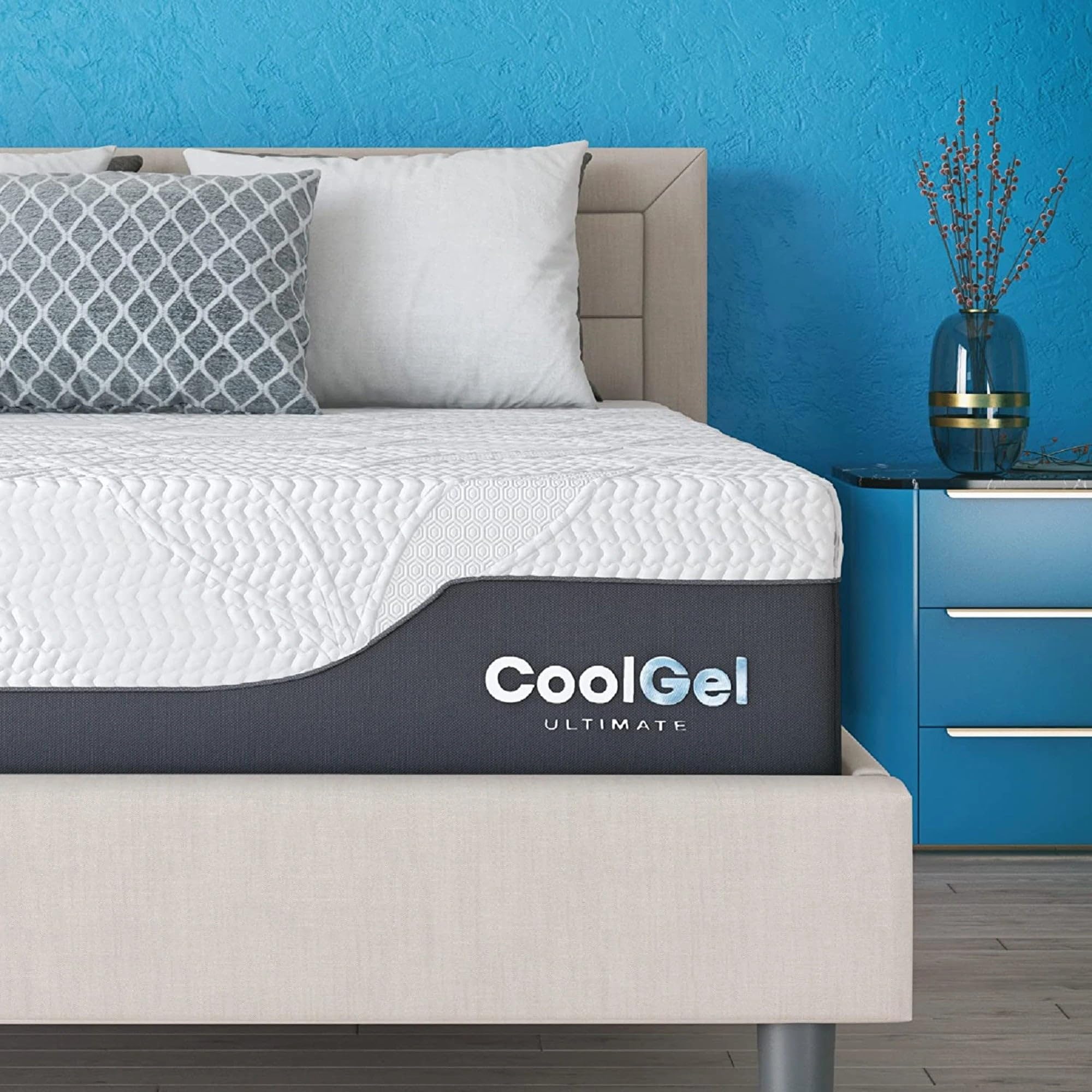
Cool Gel 14-inch Plush King
Key Features
- Firmness: Firm
- Construction: Memory Foam
- Certifications: CertiPUR-US
- Weight Capacity: 1000 lb
- Price: Premium
The 14-inch king memory foam earns strong comfort approval and solid build quality, backed by a 1,000-lb capacity and a two-pillow bundle. Couples get motion isolation plus a tall sleep surface. Cooling and firmness vary, and the premium price sits above typical fibromyalgia budgets, so a medium-firm queen remains the safer buy.
Pros
- Thick king-size memory foam isolates motion well for couples sharing a bed.
- Premium build quality supports a 1,000-lb capacity and includes two pillows.
Cons
- Unboxing can produce a chemical smell that lingers for days in a closed bedroom.
This king works best for couples who want motion isolation and a tall surface with a two-pillow bundle. Buyers seeking fibromyalgia pressure relief should prioritize a medium-firm queen instead.
Best for Budget Full Hybrid
Naruchu 12-inch Full Hybrid

Key Features
- Firmness: Medium Firm
- Construction: Hybrid with pocket coils
- Weight Capacity: 700 lb
- Price: Budget
Full-size hybrid with pocket springs and a 700-lb capacity at a budget price. Its medium-firm memory-foam surface relieves pressure for back and stomach sleepers without coil noise, which can help fibromyalgia buyers who want support. Soft perimeter support is why it sits below the runner-up; center-of-bed sleepers get the most from this bed.
Pros
- Comfort is the standout at this price point, especially for back and stomach sleepers.
- Entry-level pricing still includes a true pocket-coil hybrid, not all foam.
Cons
- Side sleepers may find the medium-firm surface too hard, and heavier back sleepers can want more support.
For a single fibromyalgia sleeper who wants an affordable full-size hybrid with real coil support rather than a specialty mattress, this is an entry-level fit.
Best for Budget Hybrid Buyers
SupremeSleep 12-inch Full Hybrid

Key Features
- Firmness: Medium Firm
- Construction: Pocket Spring Hybrid
- Certifications: CertiPUR-US, fiberglass free
- Price: Budget
This full hybrid delivers strong comfort for the price, with reinforced perimeter coils and a medium-firm surface. Seam ripping and collapse can occur, so heavier adults and long-term fibromyalgia support sit outside its comfort zone. For a tight-budget buyer who wants a hybrid feel, the value still lands well.
Pros
- Strong comfort for the price in a full-size hybrid.
- Good value for money for a full hybrid.
Cons
- Firmness can run soft for lower-back support depending on body type.
This full hybrid fits a teen or guest room where budget matters and use stays light.
Best for Firm Lumbar Hybrid
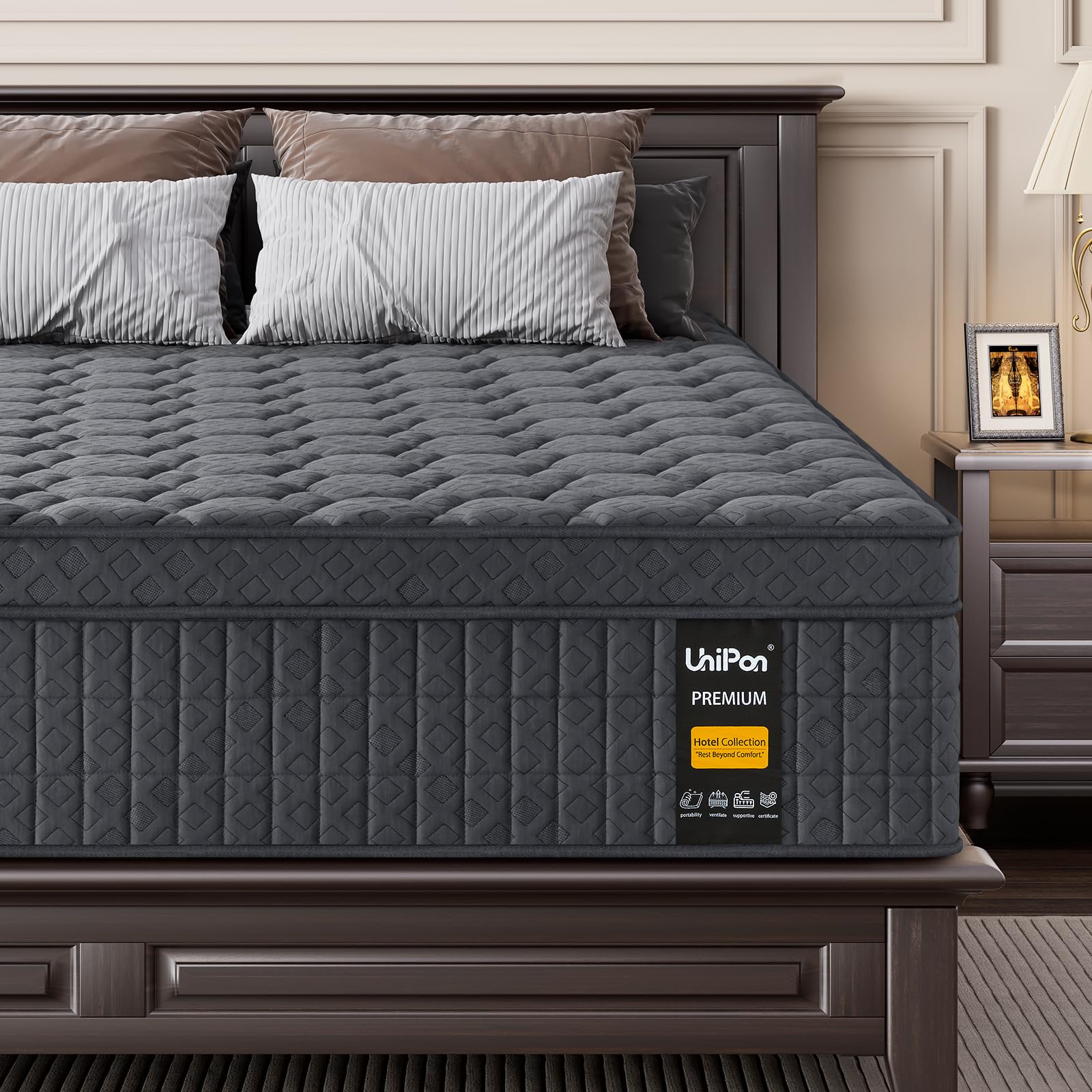
UniPon Firm 12-inch Hybrid Queen
Key Features
- Firmness: Firm
- Construction: Hybrid with pocket coils
- Certifications: CertiPUR-US, OEKO-TEX
- Trial: 365-night trial
- Price: Mid-Range
Firm hybrid with dedicated lumbar and hip support serves back and stomach sleepers who need stable alignment, not plush pressure relief. Its four-layer construction makes firm-support comfort testable for fibromyalgia. Edge durability can vary and motion isolation is not zero, so the stronger firm-support runner-ups fit couples and heavier users better.
Pros
- Firm lumbar and hip support keeps the spine aligned for back and stomach sleepers.
- Build quality is a strength, reducing risk for a long-term mattress purchase.
Cons
- Edge support can soften over time and partner motion may transfer in some setups.
Best for fibromyalgia back and stomach sleepers whose pain responds to firm, aligned support and who prefer a hybrid over a memory-foam surface.
Best for Verified Profile Pending
Niqooia 12-inch Hybrid Queen

Key Features
- Firmness: Medium Firm
- Construction: Hybrid with pocket springs
- Certifications: CertiPUR-US, fiberglass free
- Price: Budget
Four-layer hybrid construction with zoned support, CertiPUR-US certified foam, and a fiberglass-free build makes for an attractive budget-friendly design. Fibromyalgia shoppers who need to know how the medium-firm surface performs won’t find enough real-world evidence in this listing, which keeps it behind the better-documented queen in this roundup.
Pros
- Hybrid build pairs memory-foam comfort layers with pocket springs for combined support and pressure relief.
- CertiPUR-US certified, fiberglass-free materials support a cleaner sleep environment.
Cons
- Spec sheet leaves out coil count, foam density, and firmness range details.
Shoppers who can try the medium-firm surface in person may find the certified hybrid build worth consideration; remote buyers should look to the leading queen in this roundup.
How to Choose
The mattress that works for fibromyalgia is less about softness and more about targeted pressure relief on a supportive, aligned base.
Firmness and Comfort Profile
Firmness is the first filter because it determines how your hips and shoulders sit through the night. A medium-firm surface is the most consistent choice for fibromyalgia: it lets pressure points sink slightly without letting the spine drop out of alignment.
Body weight changes how a mattress feels. A 130-lb side sleeper can find a medium-firm queen too hard, while a 200-lb back sleeper finds the same bed supportive. Look at reviews from sleepers with a similar body type and position, and use a trial period to confirm the fit.
Pressure-Relief Layers and Zoned Support
Pressure relief comes from the comfort layer, usually memory foam or a hybrid top that conforms to your curves. Zoned support goes further by adding firmer sections under the hips and lower back while keeping the shoulder area softer, which can reduce the need to toss and turn.
The trade-off is that zoned beds are not a one-size-fits-all solution. If the zoning lands in the wrong place for your height or sleeping position, the bed can feel awkward. Check whether the zone dimensions are published, and prioritize models with ACA recognition or clear pressure-mapping claims.
Cooling Technology
Gel infusions, copper covers, and phase-change materials all try to solve the same problem: memory foam retains body heat. Gel beads help but are not a guarantee, and some reviewers still report warm nights on a ‘cooling’ mattress.
For fibromyalgia-related night sweats, a breathable cover and a comfort layer with open-cell or PCM technology will make a bigger difference than a simple gel top layer. If you sleep hot, choose a bed with verified cooling feedback and avoid thick plush foams that trap heat.
Edge Support and Motion Isolation
Edge support matters if you sit on the side of the bed or sleep close to the perimeter. Foam edges tend to compress more than reinforced hybrid perimeters, which reduces your usable surface space.
Motion isolation is the opposite trade-off: memory foam and pocket-coil hybrids absorb partner movement well, but firm foam edges can still transfer motion if the coils are not individually wrapped. Couples should prioritize hybrid models with reinforced perimeter coils rather than assuming all foam beds isolate motion equally.
Certifications, Warranty, and Trial
Certifications tell you what is inside the foam: CertiPUR-US verifies low emissions and the absence of certain heavy metals, while OEKO-TEX covers fabric safety. Fiberglass-free construction matters for anyone who removes the cover or is concerned about the fire barrier.
A trial period is the single best risk reducer for fibromyalgia shoppers because body response to firmness cannot be predicted from a spec sheet. Look for at least 100 nights, ideally 365, and confirm the return policy covers mattress pickup before ordering.
FAQ
Should I choose a firm or soft mattress for fibromyalgia?
Most fibromyalgia sleepers do best with a medium-firm mattress that provides pressure relief without allowing the spine to sink out of alignment. A very soft surface can increase hip and shoulder pain, while a very firm surface can create new pressure points. The best option is a zoned medium-firm bed that keeps the hips and lower back supported.
Why does my new memory foam mattress still hurt my hips and shoulders?
The mattress may be too soft or too firm for your body weight, or the comfort layer may not be thick enough to relieve pressure at your specific pressure points. Memory foam also takes up to 72 hours to fully expand, and some beds feel harder before the foam reaches its intended shape. Give it a few nights, then evaluate whether your hips stay level and your shoulders sink enough.
How long does a bed-in-a-box mattress take to fully expand?
Most bed-in-a-box mattresses need 24 to 72 hours to reach full thickness, and corners are the slowest to puff out. Sleep on it after 24 hours if you need to, but do not judge firmness or dimension until three full nights have passed. If a corner still looks low or the bed feels uneven after 72 hours, that is a legitimate quality issue.
Does a cooling mattress actually help with night sweats from fibromyalgia?
Yes, but the type of cooling matters. Gel-infused foam helps initially but can still retain heat overnight, while breathable covers and phase-change materials do a better job of pulling heat away from the body. If night sweats are a major issue, look for PCM or copper-gel cooling and read same-size reviews from hot sleepers.
What is the best position to sleep in with fibromyalgia?
Side sleeping with a medium-firm mattress and a supportive pillow is the most common recommendation for fibromyalgia because it keeps the spine aligned while reducing pressure on the hips and shoulders. Back sleeping can also work with a medium-firm or firm mattress that supports the natural lumbar curve. Stomach sleeping is the hardest on the neck and lower back, so it requires a firmer surface.