
This post contains affiliate links. We may earn a small commission when you buy through our links — at no extra cost to you.
Many bed-in-a-box mattresses promise plush comfort and cool sleep, but the deciding factor on a bunk bed is the expanded height and width. A mattress that turns out an inch narrower than the frame leaves a gap at the side, and one that measures taller than the guardrail becomes a fall risk. Those two fit issues matter more than the filler and foam labels on the box.
The useful range for a bunk bed is usually 6 to 8 inches: low enough to clear typical guardrails, thick enough to support steady sleep. A 6-inch profile is the safest default for young kids, while an 8-inch mattress gives older sleepers more pressure relief if the rail allows. Choose the lowest profile that still suits the sleeper, then verify the expanded measurements rather than trusting the listed size.


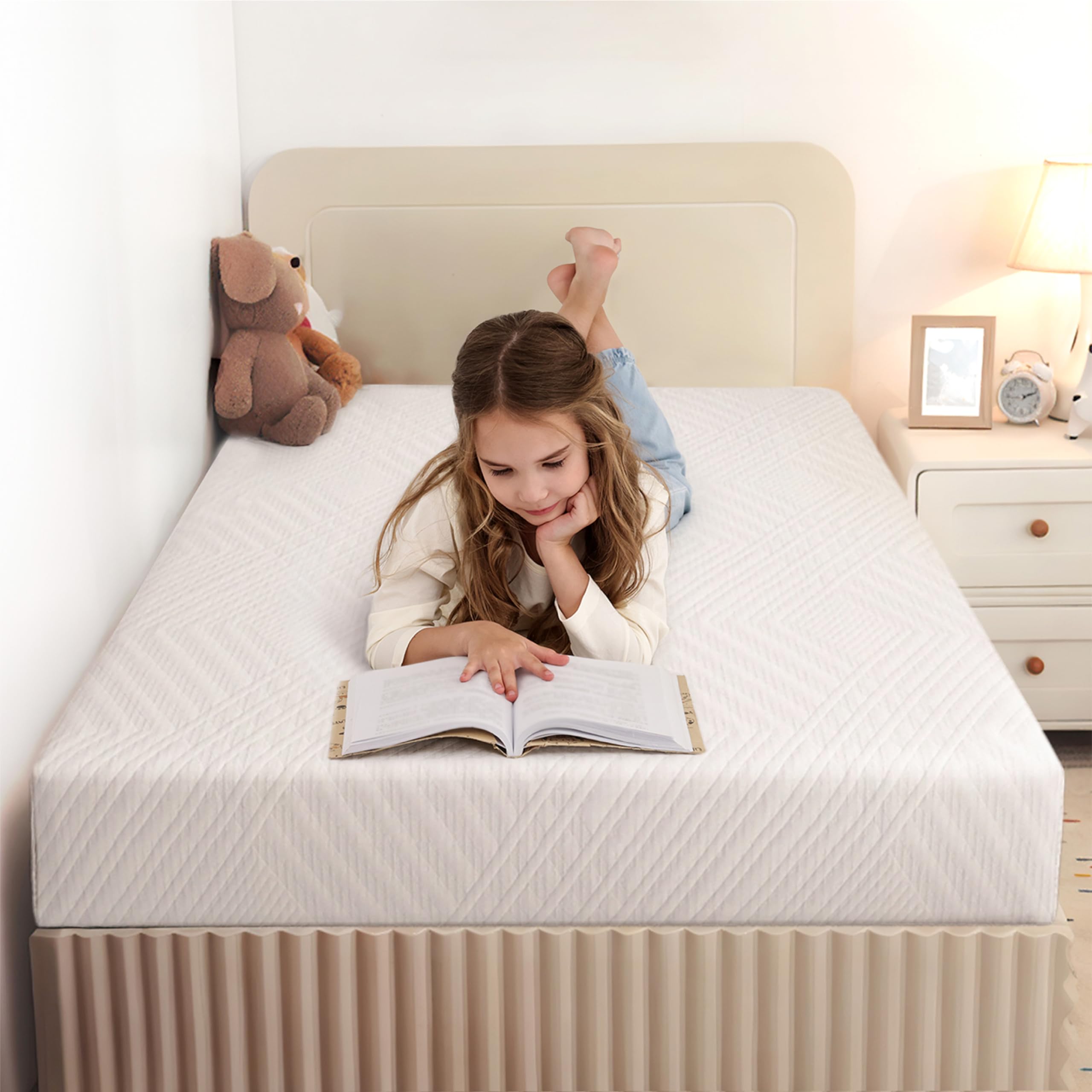


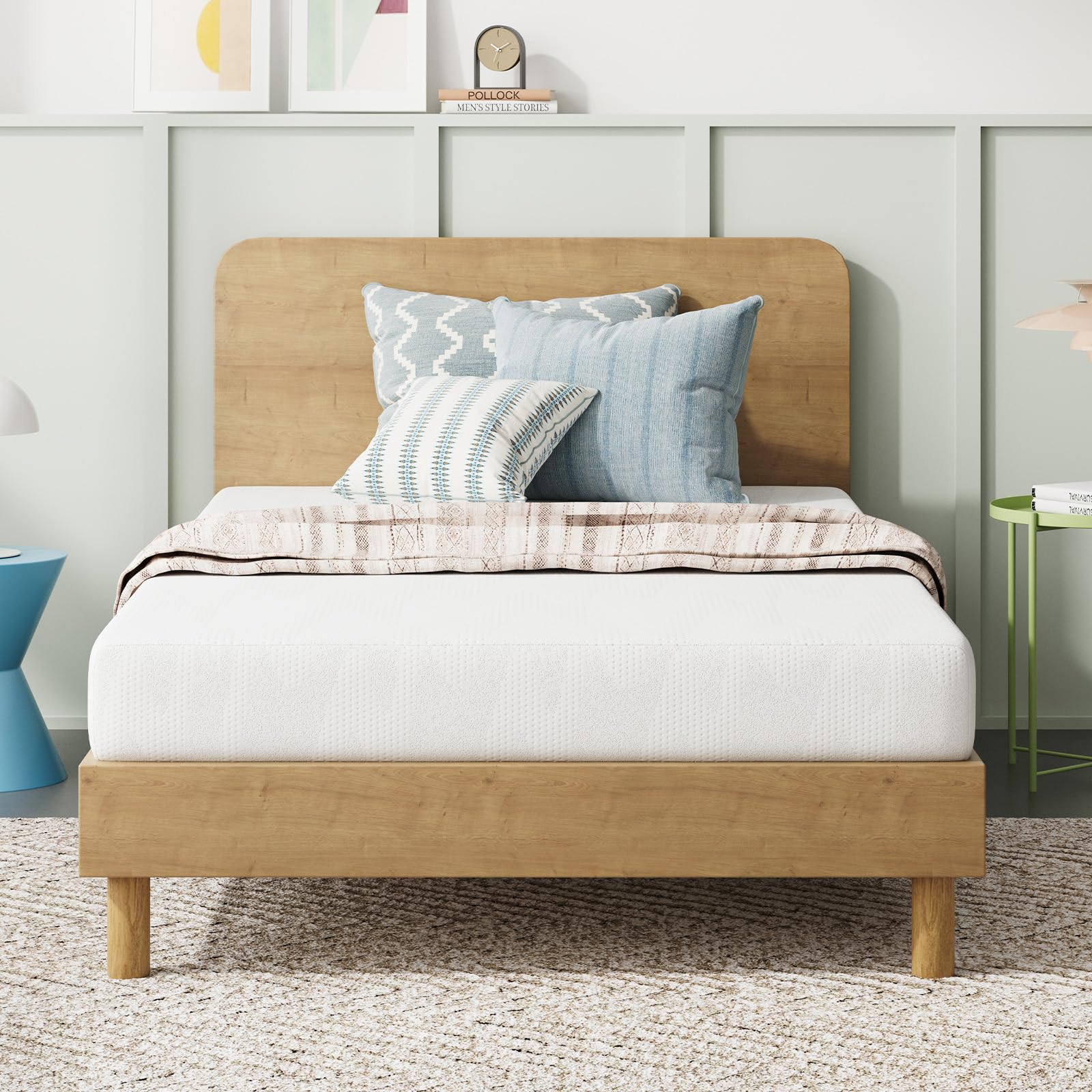
Best for Kids Bunk Beds
Linenspa 6-in Twin Mattress
Key Features
- Profile: 6 in
- Construction: 150-coil innerspring + foam
- Firmness: Firm
- Expanded Size: 39 in wide
- Expansion: Reaches spec
- Price: Mid-Range
The Linenspa 6-inch Twin puts 150 bonnell coils under a thin comfort-foam layer, so the support comes from the innerspring base rather than plush padding. That low profile clears typical bunk-bed guardrails, which is the first thing to verify when fitting a stand-alone mattress. The 6-inch height sits between a too-thin 5-inch foam and an 8-inch mattress that may ride too high for low rails.
Back and stomach sleepers get a firm, stable surface, and the 6-inch height keeps kids close to the guardrail instead of creating a gap below the rail. The mattress sits level with the frame, so it works in bunk beds, trundles, and RVs where an 8- or 10-inch mattress would be tight. The firmness suits lighter children and adult back sleepers alike, and the coil base prevents the surface from bottoming out under heavier use.
This is the right call for bunk beds and guest rooms where fit and firm support come before cushioning. Lighter side sleepers may feel the coils through the comfort layer, and long-term durability can vary, so it pays to inspect the surface for uneven softening over time.
Pros
- Clears typical bunk-bed guardrails at 6 inches, making it a fit-first choice for kids’ rooms.
- Comfort holds up for a wide range of sleepers, from children to adults.
- Strong value for a low-profile hybrid mattress.
Cons
- Firm feel can be too hard for side sleepers who need pressure relief.
- Not a plush memory-foam surface; this is a firm-support mattress.
A firm, low-profile twin that solves bunk-bed fit without the price jump of thicker foams — choose it when rail clearance and support matter most.
Best for Teens/older Kids
EGOHOME 8-in Twin Memory Foam
Key Features
- Profile: 8 in
- Construction: 4-layer green tea gel foam
- Firmness: Medium Firm
- Expanded Size: 38 in wide
- Expansion: Reaches spec
- Price: Mid-Range
This 8-inch green-tea gel foam hits a true medium-firm feel, expands quickly, and keeps odor low enough that the mattress can go into service fast. Compared with the 6-inch innerspring twin in this lineup, the thicker all-foam build adds contouring and a higher perceived build quality. The foam is CertiPUR-US certified.
It suits teens and older kids who want a balanced all-foam feel, plus value-focused shoppers after a mid-range twin. Firmness can read too hard for some, and rotation may be needed to prevent body impressions. Toddlers who need a lower 5-6 inch profile and soft-pillow-top sleepers are better served elsewhere.
Pros
- Comfortable and supportive for back and stomach sleepers.
- Build quality reads well above the price point.
- Strong value for a mid-range twin mattress.
Cons
- The 8-inch profile means the mattress won’t fit bunks with low guardrails unless clearance is verified before ordering.
A balanced mid-range twin for older kids and teens who want medium-firm all-foam support without paying premium prices.
Best for School-Age Kids
MLILY 8-in Twin Kids Mattress
Key Features
- Profile: 8 in
- Construction: 3-layer green tea gel foam
- Firmness: Medium Firm
- Expanded Size: 38 in wide
- Expansion: Can fall short
- Price: Mid-Range
The MLILY gives bunk-bed parents a fiberglass-free foam build with CertiPUR-US certification and green-tea-infused comfort at a mid-range price. Unlike the slimmer 6-inch entry, the extra 2 inches add cushion while staying low enough for most bunk frames, and the certified construction covers the main eco-conscious checklist.
It suits school-age kids in twin bunks, lofts, and daybeds where guardrails clear an 8-inch profile. Medium-firm is set intentionally, so children who expect a plush, sink-in feel may find it too hard; heavier teens are better served by a thicker 10-inch model.
Pros
- Fiberglass-free foam with CertiPUR-US certification for parents who want verified materials.
- Green-tea gel layer adds mild cooling in the comfort foam.
- Comfort and build quality hold up well for the price.
Cons
- Expansion can fall short of the advertised 8 inches, so final height needs checking.
Parents who want the top pick’s profile but prefer a certified all-foam build should put this MLILY on their shortlist.
Best for Budget Bunk Beds
FDW 8-in Twin Gel Foam
Key Features
- Profile: 8 in
- Construction: 2-in gel foam + base
- Firmness: Medium
- Expanded Size: 39 in wide
- Expansion: Can fall short
- Price: Budget
The FDW 8-inch twin is the low-profile gel-foam option here that you can actually launder: the full cover zips off for the washing machine, and the 1,000-lb capacity covers kids, teens, and typical adult sleepers. The 2-inch gel layer sits on a 6-inch high-density base, which keeps the mattress close to the frame while adding more give than the slimmer coil mattresses in this set. Build quality and sleep comfort come through at a price that suits budget bunk and trundle setups.
Best for bunk or trundle buyers who can plan around unboxing: odor and expansion can vary between units, so give the foam time to air out and confirm the settled height before relying on low guardrail clearance.
Pros
- Removable, machine-washable cover keeps the mattress clean with little effort.
- 1,000-lb rated capacity covers kids, teens, and typical adult sleepers.
- Medium-firm gel foam helps sleepers settle in faster and wake rested.
Cons
- In a room that needs immediate use, the chemical odor can be noticeable after unboxing.
- For low guardrail clearance, the fully expanded height can measure short of the advertised 8 inches.
For bunk and trundle buyers who can plan around the break-in period, this budget-friendly twin delivers washable convenience and sleep support at a low entry price.
Best for Back-Pain Sleepers
FATHOM 8-in Firm Twin
Key Features
- Profile: 8 in
- Construction: 3-layer gel memory foam
- Firmness: Firm
- Expanded Size: 38 in wide
- Expansion: Reaches spec
- Price: Mid-Range
The FATHOM pairs an 8-inch gel-foam build with fiberglass-free certified materials and a 750-lb weight capacity, making it a strong match for firm-support sleepers with back pain on bunk beds and lofts. Comfort and support are clear positives, and the build quality is above the mid-range price point.
The firm surface suits teens and adults who want active support rather than plush sinking; very young children and side sleepers who prefer soft cushioning should choose the balanced medium-firm option instead. Sagging can develop in the main sleep area over time.
Pros
- Firm comfort layer provides strong back-pain relief without extra plushness.
- Build quality comes across as higher than the mid-range price suggests.
- Support is strong enough for heavier teens and adults, backed by a 750-lb weight capacity.
Cons
- Bunk beds with low guardrails may need a slimmer profile than this 8-inch build.
Firm-support sleepers get the 8-inch profile, fiberglass-free materials, and strong back-pain support in one build.
Best for Low-Profile Bunks
Novilla 6-in Twin Mattress
Key Features
- Profile: 6 in
- Construction: 4-layer gel memory foam
- Firmness: Medium
- Expanded Size: 38 in wide
- Expansion: Reaches spec
- Price: Budget
At a true 6-inch height, the Novilla twin uses four layers of CertiPUR-US gel memory foam and expands quickly once unpacked. The medium build gives kids and lighter sleepers enough structure for a low-profile bunk, and the price stays in budget territory.
This is a better match for low bunk and trundle frames than for standard 39-inch twin frames: the 38-inch width can leave a visible gap along the side, so measure your frame’s interior before ordering. Budget-conscious parents buying for kids who sleep hot get the right height and firm support; adults who need deep pressure relief will want a taller mattress.
Pros
- Budget-friendly price pairs with four-layer gel foam construction.
- Support holds up for kids and lighter sleepers despite the low profile.
- Setup is fast; the mattress expands close to its 6-inch height.
Cons
- Firmness can read harder than the medium label suggests.
This is the low-profile, budget-minded twin for bunk and trundle setups with tight guardrails.
Best for Teens/guests
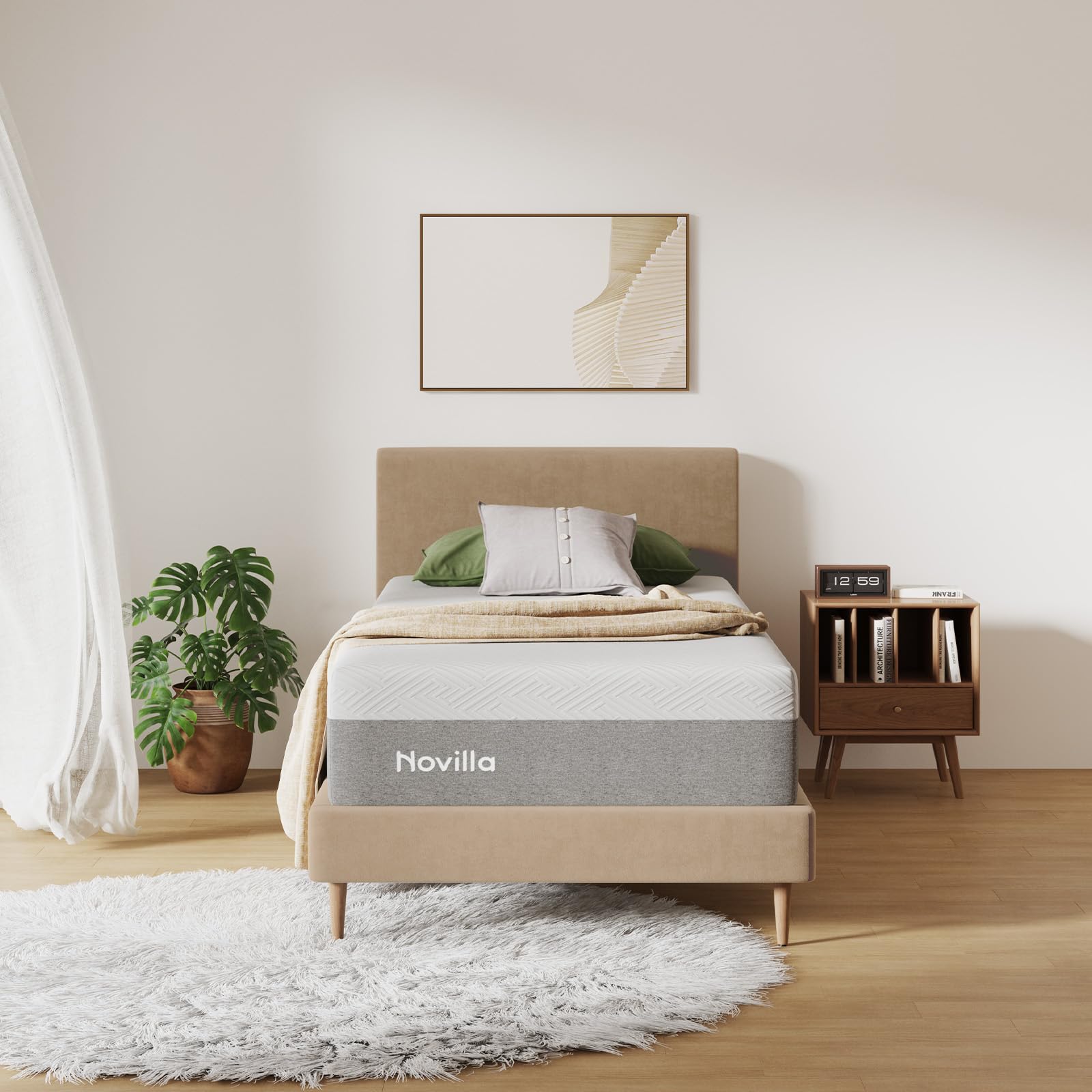
Novilla Bliss 10-in Twin
Key Features
- Profile: 10 in
- Construction: 3-layer gel memory foam
- Firmness: Medium Plush
- Expanded Size: 39 in wide
- Expansion: Can fall short
- Price: Premium
With a 10-inch profile, 500-lb capacity, gel memory foam contouring, and ACA certification, this twin is built for older kids, teens, and guest beds with tall guardrails. Support and edge hold are solid, and side sleepers get real pressure relief. The height can exceed low bunk rails, so measure clearance first; low-rail bunks need the 6-inch version.
Pros
- Strong overall quality and comfort at a premium price.
- Gel memory foam contours to side sleepers and cools well.
Cons
- 10-inch height can exceed low bunk guardrails; low-rail bunks need a 6-inch profile.
Older kids, teens, and guest beds with tall guardrails get real cushioning; if the top-bunk rail sits low, choose the 6-inch Novilla instead.
Best for Budget Hot Sleepers
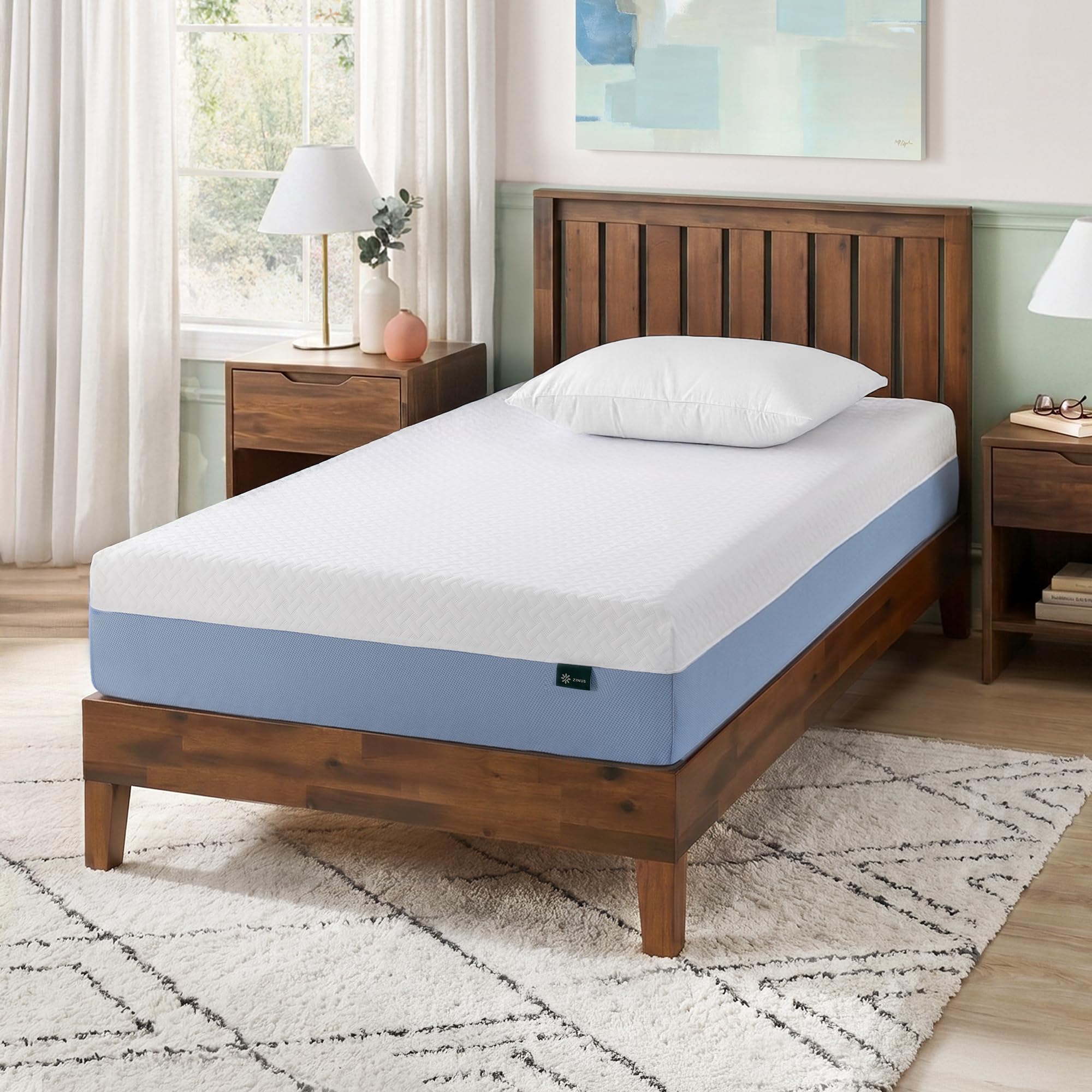
Zinus 8-in Cooling Twin
Key Features
- Profile: 8 in
- Construction: Airflow memory foam
- Firmness: Medium
- Expanded Size: 39 in wide
- Expansion: Reaches spec
- Price: Budget
Airflow memory foam and certified materials make this an affordable 8-inch twin for bunk use when the guardrail allows the height. The feel can run much harder than the medium label, and edges may soften over time. That variability keeps it behind more consistent options for back-pain-prone sleepers; firm-support fans who verify rail clearance get solid value.
Pros
- Strong value for money: gets an 8-inch certified foam mattress into a bunk room at a low entry price.
- Comfort has broad buyer support, so the surface works for a range of sleepers.
Cons
- Firmness can run much harder than the medium label, a mismatch for side sleepers who need pressure relief.
For bunks with 8-inch guardrail clearance and a preference for firm support, this cooling foam is a cost-effective fit; side sleepers seeking plush cushioning should look elsewhere.
Best for Low-Rail Bunks
Zinus 6-in Hybrid Twin

Key Features
- Profile: 6 in
- Construction: Steel coils + foam
- Firmness: Medium Firm
- Expanded Size: 39 in wide
- Expansion: Reaches spec
- Price: Budget
Steel coils in a 6-inch profile give this hybrid a supportive, guardrail-friendly ride at a budget price. Some units run narrower than a standard twin, so gaps can appear on 39-inch frames, and springs may be felt or heard through the surface. Bunk buyers who need exact fit first should consider the more predictable 8-inch foam option.
Pros
- Real hybrid coils provide firm support in a low-profile twin.
- 6-inch height clears low bunk guardrails and suits back or stomach sleepers.
Cons
- Some units run narrower than a standard twin, leaving gaps on bunk frames.
Use it in a bunk room when the sleeper accepts a firmer coil feel and the frame can tolerate a slightly narrow mattress.
Best for Toddler Bunks
Amazon Basics 6-in Twin Mattress

Key Features
- Profile: 6 in
- Construction: Gel foam + support foam
- Firmness: Plush
- Expanded Size: 39 in wide
- Expansion: Reaches spec
- Price: Budget
At 6 inches and a budget price, this all-foam twin is soft-plush and easy to live with for toddler bunks and guest rooms. The plush feel suits lighter sleepers; heavier adults who need firm support should pass. Comfort and price carry it, but this is an entry-level buy, not a long-term adult mattress.
Pros
- Plush foam comfort suits kids and lighter sleepers well.
- Quality is solid for a budget mattress.
Cons
- In a small kid’s room, a lingering chemical smell may appear on some units.
For toddler bunks and lightly used guest rooms, this plush twin works as an entry-level mattress.
Best for Firm-Support Sleepers
Lucid 6-in Firm Gel Twin

Key Features
- Profile: 6 in
- Construction: Gel charcoal foam + base
- Firmness: Medium Firm
- Expanded Size: 37.5 in wide
- Expansion: Reaches spec
- Price: Premium
The 6-inch Lucid pairs firm support with bamboo charcoal odor control and gel cooling, making it a sensible choice for back and stomach sleepers on a bunk or trundle. The 37.5-inch width leaves gaps on standard twin frames, so measure the frame before buying; durability can also vary, with occasional softening or sagging within months.
Pros
- Firm support with bamboo charcoal and gel foam suits back and stomach sleepers.
- Fiberglass-free build with CertiPUR-US-certified foams at a budget-friendly price.
Cons
- Firmness can vary between units, so a replacement may feel noticeably softer or harder.
Works for low-profile bunk or trundle use when the frame is measured first and the buyer prioritizes firm support and cooling over exact twin dimensions.
Best for Full-Size Bunks
Best Price 6-in Full Mattress

Key Features
- Profile: 6 in
- Construction: Memory + support foam
- Firmness: Medium
- Expanded Size: 54 in wide
- Expansion: Can fall short
- Price: Premium
This 6-inch Full fits full-size bunks and daybeds without adding guardrail bulk, and the green-tea foam layers bring a comfort level that exceeds its low-profile footprint. Height can land below the advertised 6 inches, so slats or frame bars may be felt through the foam. It’s best for kids, teens, and guest beds that don’t demand heavy-duty adult support.
Pros
- Comfort is good for a low-profile foam mattress, with a medium feel that suits kids and teens.
- Quality and value line up at this price point, making it a practical full-size option for bunk rooms and daybeds.
Cons
- Finished height can land below the 6-inch spec, and slats or frame bars may be felt through the foam.
Use it in low-profile full bunks and daybeds that don’t require true 6-inch support — the tradeoff is acceptable for lighter sleepers.
Best for Kids/trundles
Gelsea 6-in Twin Kids Mattress

Key Features
- Profile: 6 in
- Construction: 4-layer gel memory foam
- Firmness: Medium Firm
- Expanded Size: 38 in wide
- Expansion: Can fall short
- Price: Budget
Budget-friendly four-layer gel memory foam twin built for bunk-bed frames, with CertiPUR-US materials and a medium-firm feel that kids respond to. Some units expand to less than the listed 6 inches, so measuring the settled height before placing it in a low bunk matters.
Pros
- Kids take to the medium-firm feel and sleep through the night.
- The four-layer foam build holds up well for a budget kids’ mattress.
Cons
- Firmness can run harder than the medium label suggests.
For a child who wants medium-firm support in a low bunk, this budget-friendly foam fits once the frame has clearance for a 6-inch profile.
Best for Kids Hot Sleepers
LIFEMENT 6-in Twin Cooling
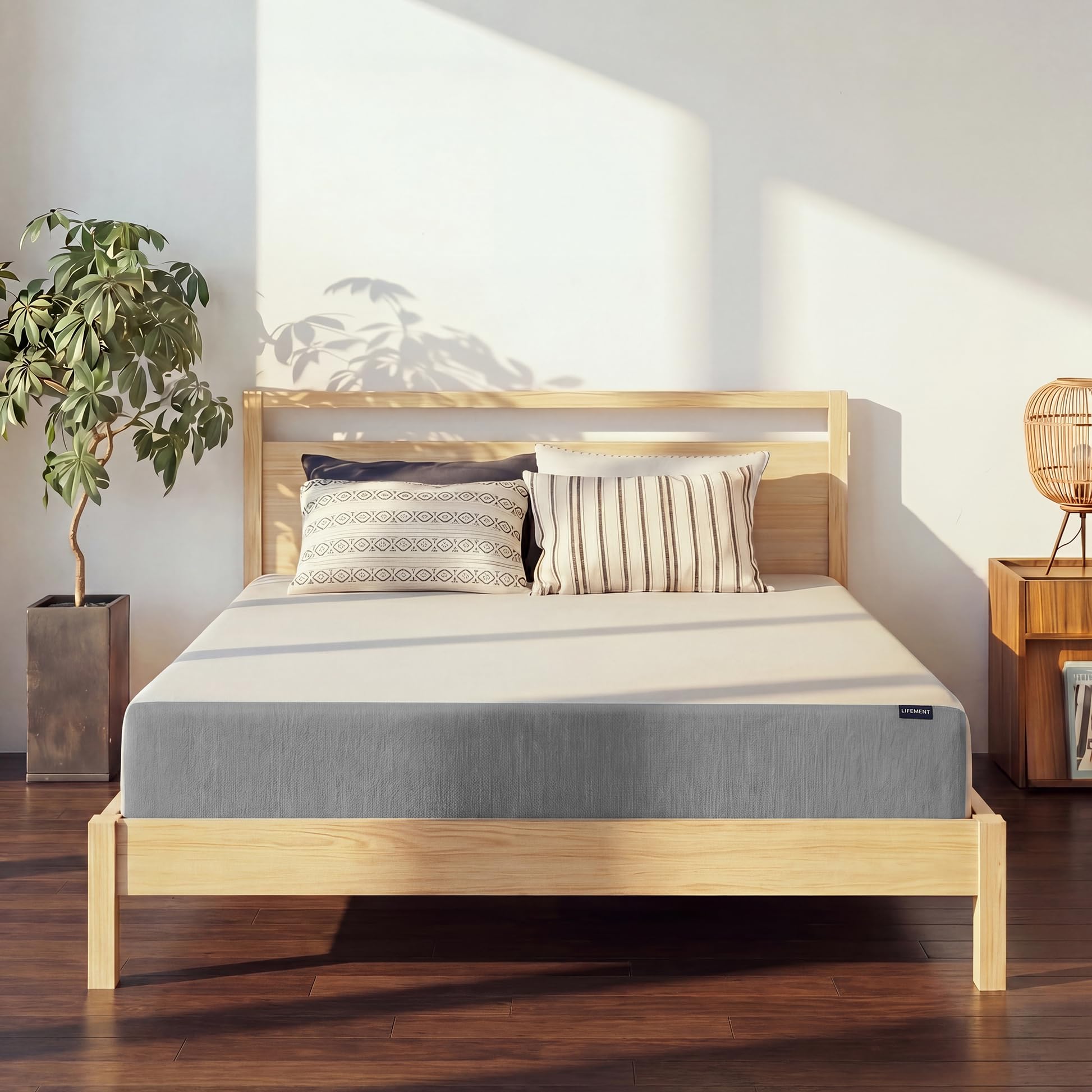
Key Features
- Profile: 6 in
- Construction: 3-layer graphite memory foam
- Firmness: Medium Firm
- Expanded Size: 39 in wide
- Expansion: Can fall short
- Price: Budget
Graphite-infused cooling foam gives hot sleepers a genuinely cooler night’s rest, and the fiberglass-free certified build adds kid-room peace of mind. Comfort and support hold up well for a 6-inch budget profile. Expansion can settle below the advertised height, so verify the final dimensions if bunk guardrail clearance is tight.
Pros
- Graphite cooling foam keeps hot sleepers comfortable without a premium price.
- Fiberglass-free certified construction pairs with solid support for kids’ bunks.
Cons
- The medium-firm surface is not for shoppers who want plush, sink-in comfort.
An affordable cooling option for warm-sleeping kids who are fine with a firm medium feel.
Best for Toddler Bunks
PrettSun 5-in Twin Mattress
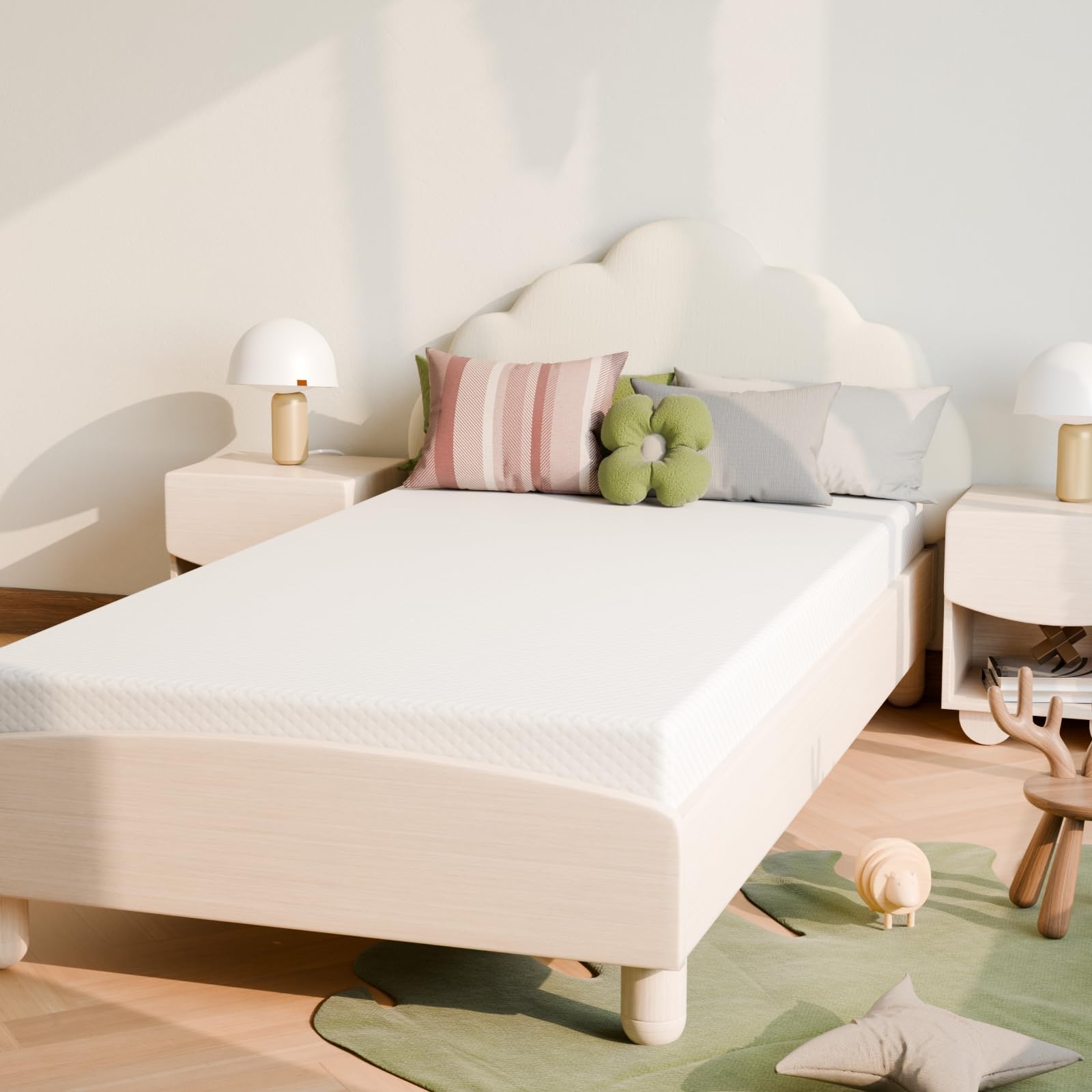
Key Features
- Profile: 5 in
- Construction: Gel memory foam + base
- Firmness: Medium Firm
- Expanded Size: 39 in wide
- Expansion: Can fall short
- Price: Budget
The 5-inch height clears restrictive guardrails that a true 6-inch option cannot, and the gel memory foam gives young sleepers a comfortable, low-profile base at an entry-level price. Expansion variance is the tradeoff: a unit can settle at about 2 inches, so the mattress suits parents who accept a topper-like base for toddlers and not adults or heavy teens.
Pros
- Ultra-low 5-inch profile clears tight guardrails and fits toddler bunks without sizing guesswork.
- Kids find it comfortable, and the entry-level price lands well below most twin mattresses.
Cons
- Expansion can settle at about 2 inches, making it a topper-like base rather than the advertised 5-inch mattress.
Best for a low-guardrail toddler bunk where you can confirm the final height; anyone needing a true 5-inch mattress for adults or teens should consider a 6-inch build.
How to Choose
The first thing to decide is how much vertical space the bunk guardrail allows, because profile height determines which mattresses are even safe to consider.
Expanded Profile
The listed height matters less than the expanded profile once the mattress sits on the frame. The top surface must stay below the guardrail’s upper edge; if it rises above, a sleeping child can roll over the rail. Lower profiles are the safer default for low rails, while 8-inch and 10-inch models work only when there is clear rail clearance.
Construction Type
All-foam mattresses are quiet and absorb motion, but a thin low-cost foam base can feel dense and offer little pushback. Hybrid and innerspring mattresses use steel coils, which adds firmness and airflow, but the coils can be felt through a thin comfort layer. For a bunk bed, a 6-inch innerspring is useful because the coil base supports weight without adding height.
Firmness Level
Medium-firm is the most versatile choice for bunk beds because it keeps the spine aligned without feeling like a board. A plush surface can let a child sink into a U-shape, especially on a 6-inch mattress with little foam underneath. Side sleepers may prefer a medium or medium-plush layer, but the overall profile should still clear the rail.
Expanded Dimensions
Some twin mattresses are labeled 39 inches wide but expand to 38 inches or less. On a bunk frame, even a one-inch gap can trap a child’s arm or leg and lets the mattress shift sideways. Treat the expanded width as a safety dimension, not a minor tolerance issue.
Expansion Reliability
Compressed foam needs time to expand, and most mattresses reach full height within 24-72 hours. Some units never reach the listed size, even after a full three-day window. If a mattress still measures short after that, return or replace it rather than adding a topper.
FAQ
How long does a mattress in a box actually take to fully expand?
Most foam mattresses reach full height within 24-72 hours, though some take a few extra days. Give it three full days before judging thickness. If it is still visibly under spec after that, start a return or replacement request – don’t pile a topper on top and hope it settles.
Can a 10-inch mattress be too tall for a bunk bed?
Yes. The mattress height plus the foundation must stay below the top of the guardrail. If a 10-inch mattress sits above the rail, a restless sleeper is at risk of rolling over the edge. For low-rail top bunks, a 6-inch or 8-inch profile is the safer choice.
My twin mattress is narrower than my bunk bed frame – is that safe?
A gap of an inch or two between the mattress and frame can trap a child’s arm or leg and changes how the mattress stays in place. Standard twin bunks expect a 39-inch wide mattress; models that expand to 38 inches or less are a poor fit. Measure the expanded width before mounting the mattress on the upper bunk.
Why does my new memory foam mattress still smell after a week?
Off-gassing is common in compressed foam, and most smells fade within a few days in a ventilated room. If the odor lasts longer than a week, it may be a problem with that particular unit – air it out fully before deciding. Some brands are more consistent than others, but a lingering chemical smell is a reason to use the warranty.